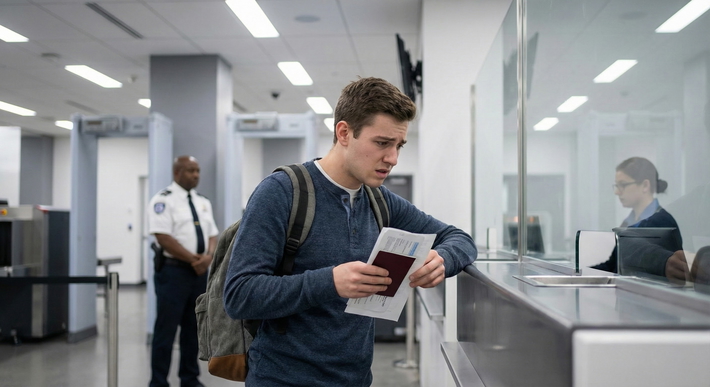
Common Test Anxiety Mistakes MS1s Make and Regret by Step 1
It is 11:47 p.m. on a Tuesday. You promised yourself you would “just finish this AnKing deck” and be in bed by 10. Instead, you are three blocks deep into UWorld you told yourself you would “just peek at,” your heart is racing because your percent correct dropped from 72% to 58%, and you are already mentally calculating how this one bad quiz means you will probably fail Step 1 two years from now.
This is exactly how MS1 test anxiety quietly turns into a Step 1 problem.
The trap is simple: you think your issue is “not working hard enough” when the real problem is that your anxiety is driving you into patterns that feel productive but are actually self-sabotage. I have watched very capable students dig themselves into holes they did not climb out of until dedicated Step 1 prep—if at all.
Let me walk you through the mistakes MS1s routinely make with test anxiety, the ones they regret by the time Step 1 shows up, and how to avoid joining them.
Mistake #1: Treating Every MS1 Exam Like Step 1
This one looks good on the surface. “I am just taking things seriously.” No—what you are actually doing is teaching your brain that every quiz is life-or-death.
Here is how it usually plays out:
- You study for a random MS1 quiz like it is a board exam.
- You tell yourself, “If I do not honor this block, I will never get a competitive residency.”
- Your heart rate spikes the night before. Sleep tanks. You over-caffeinate.
- You survive, maybe even do well… and your brain learns: anxiety = performance.
So it keeps doing it. Stronger each time.
The problem: Step 1 is not “one huge exam dropped out of nowhere.” It is the end-product of your habits. If your only way to achieve a good result is to be in full panic mode, you are building a fragile system that will collapse under the weight of an 8‑hour board exam.
The specific errors inside this mistake
Catastrophic thinking about single exams
“If I do not honor anatomy, I can kiss Derm goodbye.”
You know this is not logically true, but your nervous system does not care. It reacts like a tiger is in the room.Trying to “win” every test instead of build a process
You cram, over-memorize details, and sacrifice sleep just to squeeze out a few extra points, instead of building a sustainable routine that you can carry into Step prep.Using score spikes as evidence your anxiety “works”
You do well after an anxious all-nighter and conclude, “I guess I perform best under pressure.” No. You survived. That is not the same thing.
What to do instead
Treat the first-year exams as training sessions for Step 1—not miniature versions of it. That means:
- Set realistic performance goals (e.g., solid pass, steady upward trend) instead of “honor or bust.”
- Track your process metrics (hours focused, questions done, sleep) as seriously as your scores.
- After each exam, debrief: What did I do that helped? What spiked my anxiety and hurt performance?
If you do not do this, Step 1 becomes the first time you realize that you built a career on panic.
Mistake #2: Letting QBank Percentages Dictate Your Worth
The dashboard is glowing. “47% correct.” Your stomach drops. You mentally rewrite your whole future based on one session of 40 questions done while half-distracted and sleep-deprived.
MS1s over-attach to early QBank metrics. It feels data-driven. In reality, it is emotional gambling.
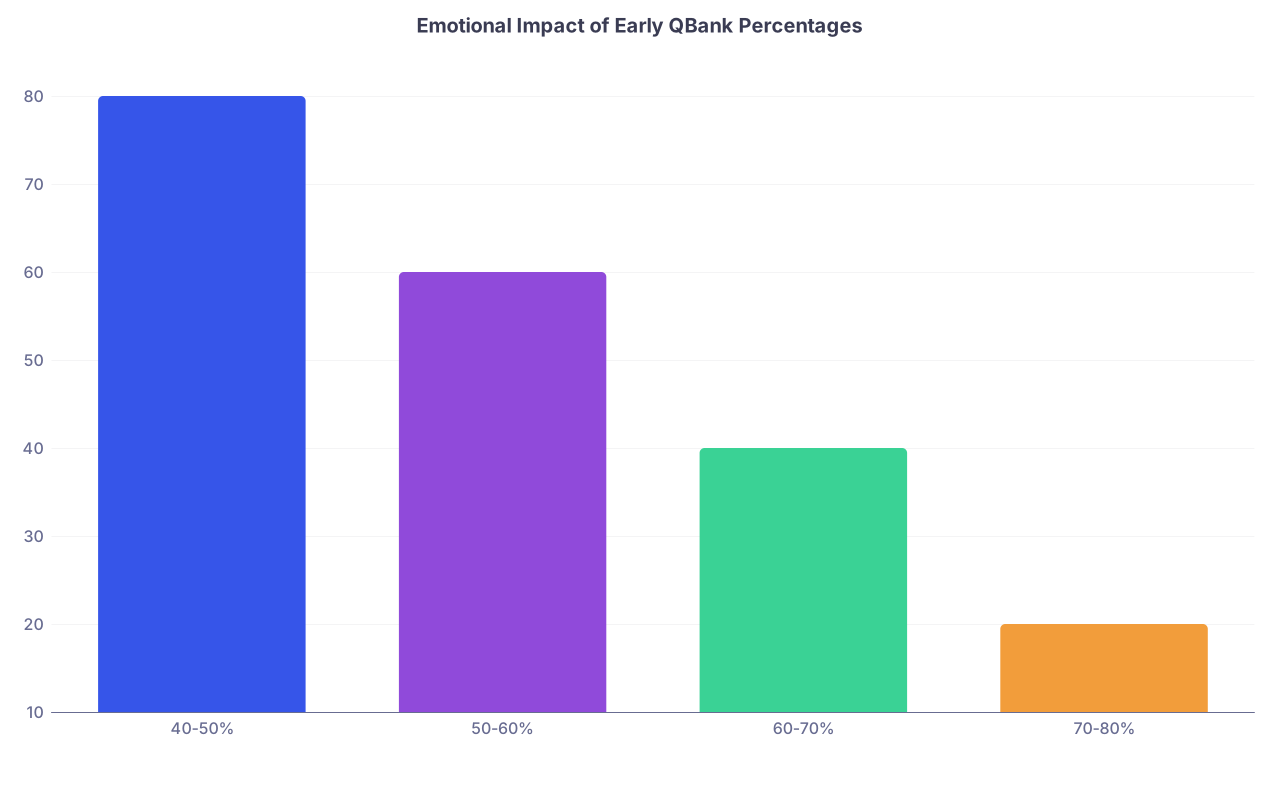
| Category | Value |
|---|---|
| 40-50% | 80 |
| 50-60% | 60 |
| 60-70% | 40 |
| 70-80% | 20 |
(Think of those numbers as “average anxiety level,” not performance.)
Common self-sabotage patterns here
Checking your percent correct multiple times a day.
Like doom-scrolling your own academic blood pressure.Comparing raw percentages with classmates who are doing different question sets, under different conditions.
“She is at 65%, I am at 52%, I am doomed.” You do not even know if she is re-doing questions or cherry-picking easy blocks.Using one bad block as a reason to study for 6–8 extra hours.
You try to erase the feeling instead of learn from the data.
This is how test anxiety spreads from “I am nervous before tests” to “I live in a constant state of performance surveillance.”
The math reality you are ignoring
Your early percentages on boards-style material as an MS1 are:
- Confounded by content you have not formally learned yet.
- Skewed by small sample sizes.
- Sensitive to test conditions (fatigue, distractions, timing).
Those numbers are not a verdict. They are just a starting point.
How to use QBank data without destroying your sanity
Set fixed review intervals.
Look at your cumulative performance weekly or biweekly, not after every single block. Day-to-day fluctuations are noise.Track trend, not snapshot.
A 52% that becomes 58% over three weeks is a win. Anxiety pushes you to ignore the trajectory and obsess over the latest dip.Document context.
When you log scores, add one line: “Post-call, 4 hrs sleep” or “Fresh, morning, no distractions.” Many “bad” scores are just bad conditions.
If you let QBank numbers become a direct feeder into your self-worth, by Step 1 you will be studying to fix your feelings, not to understand medicine. That is a losing game.
Mistake #3: Using Panic-Driven Study Habits as Your Default
Anxious MS1s almost always have one of these go-to responses when they do poorly or fear they will do poorly:
- Stay up late. Again.
- Add three more resources.
- Reread entire chapters to “feel safer.”
- Double or triple question volume without time for review.
It feels like action. It is actually thrashing.
The worst offenders
Chronic sleep sacrifice “because there is no other way.”
I have watched students convince themselves that they are “just not the 7–8 hour type.” Then wonder why their retention is terrible and their mood is swinging.Endlessly switching resources hoping one will feel less scary.
Boards and Beyond, then Sketchy, then Pathoma, then random PDFs from Reddit. Constant novelty, no depth.Re-reading instead of testing.
You avoid questions because they trigger anxiety, so you sit with the illusion of competence from re-reading your notes. Then you are shocked when your exam scores do not reflect your “hours.”

Why this backfires by Step 1
Step 1 punishes exactly these patterns:
- Sleep debt crushes attention and recall over an 8‑hour exam.
- Surface-level familiarity does not survive multi-step vignettes.
- Half-learned resources clog your brain with details you cannot retrieve under stress.
The tragedy is that many students only learn how to study without panic during dedicated. That is late. You could have been rehearsing healthier patterns since month 1.
What a non-panic baseline actually looks like
Not perfect. Not superhuman. Just:
- Consistent wake/sleep times within ~1 hour.
- One primary resource per course, one for questions, maybe one adjunct. Not six.
- Daily active recall (flashcards, teaching yourself out loud) before any re-reading.
- Protected time when you are not studying. Yes, protected.
If your only gear is “panic gear,” Step 1 will feel like 6–8 weeks of white-knuckle survival, not refinement. That is miserable. Avoid it now.
Mistake #4: Avoiding Exams and Questions Because They Trigger Anxiety
This one is sneaky. On paper, it looks like “I just learn better from lectures” or “I am focusing on building a foundation first.”
What it actually is: avoidance.
Anxious MS1s sometimes:
- Delay doing practice questions until “I finish all the content.”
- Skip school practice exams because they “do not count anyway.”
- Put off NBME-style questions because they feel “too early” and “too demoralizing.”
Then they are blindsided when Step-style testing feels like an alien language.

| Step | Description |
|---|---|
| Step 1 | Anxiety about questions |
| Step 2 | Avoid practice exams |
| Step 3 | Less exposure to test format |
| Step 4 | Poor performance when forced to test |
| Step 5 | Increased anxiety |
You cannot reason your way out of test anxiety from the sidelines. Confidence only grows through exposure. Smart, graded exposure—but still, exposure.
What avoidance costs you by the time Step 1 arrives
Poor calibration of your timing.
You never learn your natural pace, so when you finally start doing timed blocks, you feel constantly rushed.No “muscle memory” for sitting with discomfort.
Step questions are built to make you doubt. Without practice facing that doubt, your anxiety steamrolls your reasoning.Unrealistic self-assessment.
If you only interact with material in safe, non-testing formats, your sense of what you “know” will be inflated. That collapse, when it comes, is brutal.
A healthier model: graded, scheduled exposure
You do not fix this by jumping from zero questions to 3 blocks a day. That just overloads you and confirms your fear. Instead:
- Start with small sets: 5–10 questions, untimed, just to build comfort.
- Then move to 10–20 timed questions every few days.
- By mid-M2, you should be comfortable with full timed blocks, even if not daily.
The rule: questions and practice exams do not get postponed because you “do not feel ready.” That feeling never arrives. You build readiness by doing them anyway.
Mistake #5: Never Treating Anxiety as a Real, Treatable Problem
Here is the harsh truth: medical students will go to a cardiologist for a PVC on their Apple Watch, but will not see a therapist while having weekly panic attacks before tests.
The unspoken belief is: “Everyone is stressed. I just need to suck it up.”
No. There is a difference between normal stress and clinically significant anxiety that interferes with sleep, concentration, and daily function.
By the time Step 1 looms, I have seen students finally seek help when they are already:
- Having panic symptoms (chest tightness, shortness of breath, shaking) the week before every exam.
- Unable to fall asleep more than 2–3 nights a week due to racing thoughts about failing.
- Avoiding opening QBank entirely for days because it spikes their heart rate.
At that point, building coping skills is like learning to swim during a flood.
| Feature | Normal Stress | Problematic Anxiety |
|---|---|---|
| Sleep night before exam | Slightly worse | Repeated 2–4 hrs or less |
| Physical symptoms | Mild tension | Palpitations, SOB, nausea |
| Study impact | Mild distraction | Avoiding or overstudying |
| Duration after exam | Hours | Days to a week or more |
If you see yourself in the right-hand column consistently and do nothing, you are deciding to walk into Step 1 with untreated anxiety as your co-pilot.
The specific mistake: waiting for a “total breakdown” before asking for help
Students tell themselves:
- “If I fail a big exam, then I will see someone.”
- “If my grades drop, then I will get help.”
- “I am still passing, so it is fine.”
By the time grades drop significantly, your nervous system has weeks to months of rehearsal in panic mode. That is harder to unwind.
What “taking this seriously early” looks like
No drama. No crisis required. Just:
- Mentioning test anxiety to your primary care provider early in MS1.
- Using student counseling services to learn CBT-based strategies for anxiety.
- Being open to short-term or longer-term therapy, not as a last resort, but as skill training.
- If appropriate, considering medication with a professional who understands high-stakes testing timelines.
You would not wait until a 90% LAD stenosis to stop smoking and treat hypertension. Do not do the psychological equivalent with your test anxiety.
Mistake #6: Keeping Everything Secret and Pretending You Are Fine
You know who has test anxiety? You. The person next to you in lecture. Half your small group. The senior who just matched into anesthesia. The difference is: some of them say it out loud and adjust. Others hide it and drown quietly.
Silence is its own mistake.
When you do not talk about it:
- You assume everyone else is calm and confident.
- You interpret your anxiety as a personal failure, not a common response to absurd pressure.
- You do not get access to upperclassman strategies, institutional resources, or even basic peer reassurance.

Here is what I have actually overheard in med school libraries:
- “Yeah, I just stopped going to practice exams. They freak me out too much.”
- “I get so anxious I have to reread the same question three times.”
- “I threw up before the physiology midterm.”
This is not rare. It only feels rare because nobody wants to be the first to say it.
The cost of secrecy by Step 1
You reinvent the wheel.
Upperclassmen at your own school have already figured out which admin person to email about testing accommodations, which counselor actually understands board exams, which study schedules are realistic. But you do not ask.You make dumb choices off bad assumptions.
Thinking “everyone else is doing UWorld blocks all day” when in reality plenty of people are doing exactly one block and then carefully reviewing.You isolate right when you need perspective the most.
During dedicated, peers can normalize dips in practice scores and share that yes, they are also terrified. Isolation amplifies every fear.
You do not need to publish a confession on the class GroupMe. You do need at least one or two people who know the truth and can reality-check you.
Mistake #7: Treating Step 1 as a Magic Reset Button for MS1 Anxiety
Some MS1s tell themselves a quiet lie: “Once Step 1 becomes pass/fail / once I get to dedicated / once I reach M2, this anxiety will somehow disappear.”
It will not. Anxiety follows patterns, not scoring systems.
I have watched this exact arc more times than I like:
- MS1: “I freak out before every exam but I still do okay. It will be fine.”
- MS2: “Now the content is heavier, and my usual coping (all-nighters, extra resources) is not enough, but I do not have time to fix my anxiety now.”
- Dedicated: “Why is my heart racing every morning when I open my laptop? Why do practice NBMEs make me feel like I am going to pass out?”
By the time you reach dedicated, the stakes feel so high that even normal nervousness is amplified. If your only previous strategy has been “white-knuckle it and hope,” you will regret not having done the boring, unglamorous work of building coping skills earlier.
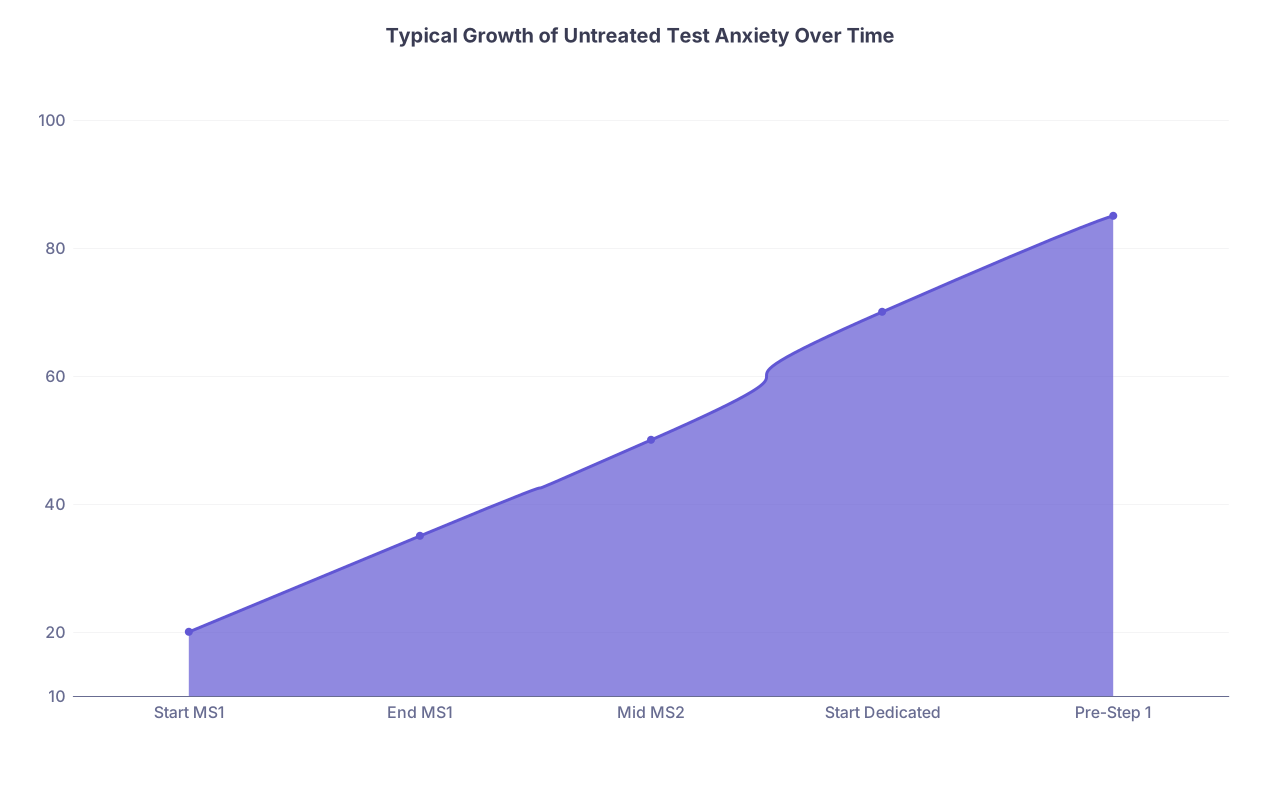
| Category | Value |
|---|---|
| Start MS1 | 20 |
| End MS1 | 35 |
| Mid MS2 | 50 |
| Start Dedicated | 70 |
| Pre-Step 1 | 85 |
Those numbers are not precise, obviously, but the trend is real. Untreated anxiety grows with stakes and time.
What MS1s wrongly assume
“Pass/fail Step 1 means I can relax.”
In reality, anxiety just retargets to Step 2, clerkship grades, or matching.“I will magically become more disciplined right before dedicated.”
If you cannot study for 3 hours consistently now without burning out, you will not suddenly tolerate 8–10.“I will deal with mental health stuff after Step.”
That is like planning to fix your parachute when you hit the ground.
Use MS1 to experiment with:
- What calms you the night before an exam without destroying your schedule.
- How much sleep you truly need for best performance.
- How to talk to yourself during a test without spiraling.
If you push all of that to “later,” that “later” becomes Step 1. You will wish you had not.
The Short Version: What You Must Not Ignore
You are not going to eliminate test anxiety. That is not the goal. The goal is to avoid the specific, preventable mistakes that make it dominate your life by Step 1.
Keep these three things in your head:
Do not build your entire study strategy on panic.
If every improvement depends on more hours, less sleep, and more fear, you are moving in the wrong direction, no matter what your grades say.Do not let anxiety stay invisible and untreated.
Name it, track it, talk about it, and if it is repeatedly interfering with your function, treat it like the medical issue it is. Early.Do not wait for Step 1 to be your first real exam with a healthy mindset.
Use MS1 as your test lab. Practice sustainable habits, exposure to questions, and coping strategies now, while the stakes are lower.
You are allowed to protect your future self from the version of you who is panicking at 11:47 p.m. two weeks before Step 1. Start doing that protection work as an MS1, not as a last-ditch effort when time is almost gone.