It is Saturday morning. You have a major exam in two weeks—NBME shelf, Step 1, a brutal block exam, whatever your school is throwing at you this month.
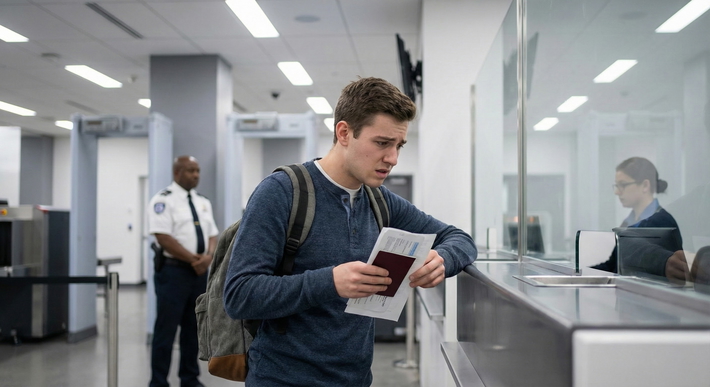
You sit down to do a timed practice block. Five minutes in, your heart rate jumps. Your hands get cold. You read the same question three times, and none of the words stick. You check the timer. Panic spikes.
You know the content. Your Anki stats look fine. But your brain bails the second a clock shows up.
Here is the hard truth:
If you do not treat your test anxiety as a problem that deserves its own system, you will keep reliving this same exam day—just with different question banks.
This weekend, you are going to fix that.
Not by “relaxing more.” Not by vague advice like “be confident.”
You are going to build a personal test anxiety playbook: a written, step-by-step protocol you can use before, during, and after any exam to keep your brain online.
Give me one weekend. I will give you a concrete plan.
Overview: What You Will Build This Weekend
You are going to walk away with a 3-part playbook:
- Pre-game Protocol – what you do 24 hours and 60 minutes before any exam
- In-Exam Protocol – exactly what you do when anxiety spikes during questions
- Post-Exam Protocol – how you debrief and adjust so anxiety actually gets better, not worse, over time
We are also going to:
- Map your personal anxiety patterns
- Build a 3-tool “calm kit” you can use anywhere
- Create 2–3 in-exam scripts for when your brain starts yelling lies
You do not need a therapist on speed dial or fancy apps. You need a notebook, a timer, and one weekend of honest work.
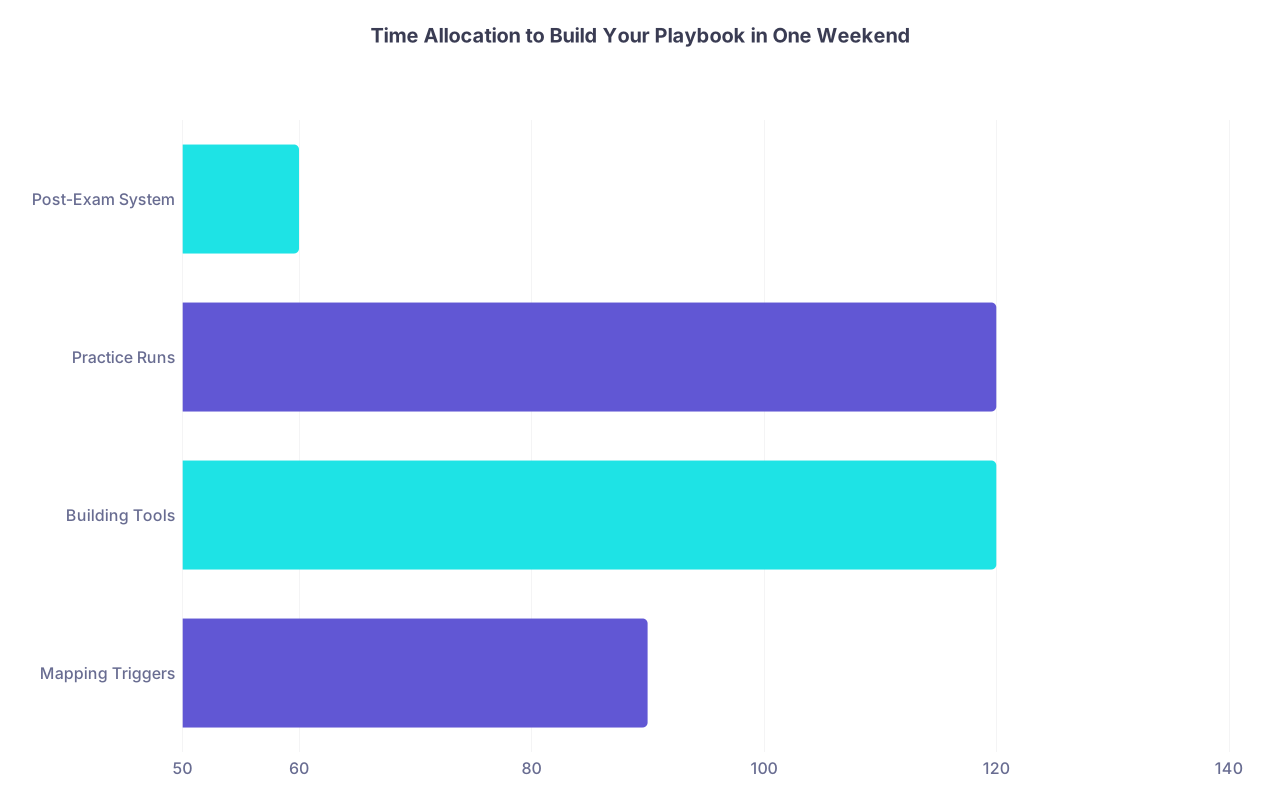
| Category | Value |
|---|---|
| Mapping Triggers | 90 |
| Building Tools | 120 |
| Practice Runs | 120 |
| Post-Exam System | 60 |
Step 1 (Saturday AM): Map Your Anxiety Like a Clinician
Stop treating your anxiety as some mysterious fog. Break it down the way you would a patient’s symptoms.
You are going to build a Test Anxiety Snapshot.
Grab a piece of paper or open a blank document. Divide it into four sections:
- Triggers
- Body signs
- Thoughts
- Behaviors
1. List Your Triggers
Think back to your last 3–5 exams or timed blocks. Write bullet points, not essays. Examples:
- “Timer hits 30 min left and I realize I am behind”
- “Three questions in a row I’m not sure about”
- “Seeing a long paragraph stem with biostats”
- “Hearing other people flipping pages in the exam room”
- “Opening NBME forms and seeing a low predicted score”
You are not describing your whole life story. Just what consistently sets you off.
2. Describe Your Body Signs
This matters because you need an early-warning system. Again, quick bullets:
- Tight chest
- Hands sweating
- Tingling in fingers
- Jaw clenching
- Stomach drop / nausea
- Feeling hot or flushed
- Tunnel vision on one sentence in the question stem
Pick the first 3–5 signs that show up most often for you. Star them. Those are your “early flags.”
3. Capture the Automatic Thoughts
This is the ugly part. Write the exact phrases that show up in your head. Not the sanitized version.
I have actually heard all of these:
- “I’m going to fail this block and remediation will kill my residency chances.”
- “Everyone else finds this easy; something is wrong with me.”
- “If I miss this, I don’t really understand this topic at all.”
- “This test is exposing that I am not smart enough for medicine.”
Circle the top three that feel like a punch in the gut. Those are the ones we will write scripts for.
4. Identify Your Panic Behaviors
What do you do when the anxiety hits?
Typical patterns:
- Rereading the same question 5–6 times without moving on
- Changing answers constantly
- Speeding through questions wildly to “catch up”
- Checking the timer every 30 seconds
- Mentally reviewing “how screwed” you are instead of the current question
Write yours down. Be blunt. No one else is reading this.
At this point, you should have a one-page snapshot of how your test anxiety behaves. That snapshot is your “enemy profile.” You cannot fix what you will not name.
Next: build weapons.
Step 2 (Saturday Midday): Build Your 3-Tool Calm Kit
You are going to build a portable, realistic anxiety kit you can use:
- At your desk doing UWorld blocks
- In the testing center
- In a cramped classroom with proctors pacing
Three tools. Not ten. Ten tools never get used.
Your kit will have:
- A 30–60 second physiologic reset
- A 1–2 sentence thought script
- A concrete micro-behavior (what you do with your body)
Tool 1: Physiologic Reset (30–60 Seconds)
Your brain is attached to a body that is convinced you are in danger. Fix the body signal first.
Pick ONE of these that you can do in a testing room without looking ridiculous.
Option A: Physiologic Sigh (my top choice)
- Inhale moderately through your nose
- At the top, take a second quick mini-inhale
- Exhale slowly through your mouth for ~6 seconds
- Repeat 2–3 times
Done correctly, you feel an actual drop in tension. This is fast. Works in silence. Looks like normal breathing.
Option B: 4-6 Reset
- Inhale through your nose for 4 seconds
- Exhale through your mouth for 6 seconds
- Total: 4–5 cycles (about 50–60 seconds)
If you tend to hyperventilate when nervous, this forces a longer exhale and steadies things.
Option C: Muscle Release Scan
- Press your tongue gently to the roof of your mouth
- Relax your jaw
- Drop your shoulders away from your ears
- Unclench your hands
Takes 10–15 seconds. Repeat whenever you notice tension.
Pick ONE. Write it at the top of a notecard:
“Step 1 when anxious: [name of technique] x 3”
Tool 2: Thought Script (1–2 Sentences)
You already wrote your top anxiety thoughts. Now you build direct counters. Not motivational posters. Clear, grounded statements.
Example anxiety thought → script:
“I’m going to fail this exam.”
→ “I have missed hundreds of questions in practice and my scores still improved. One bad block does not predict the whole exam.”“Everyone else finds this easy; something is wrong with me.”
→ “Medical students everywhere struggle with this. My job right now is to get the next question right, not prove I’m a genius.”“If I don’t know this instantly, I never learned it.”
→ “These are designed to feel hard. I have tools: eliminate, choose best remaining, move on.”
Pick 2–3 scripts. Make them sound like you. Short. No fluff.
Write them on the same notecard under your breathing tool: “Step 2 when anxious: Repeat script 2–3 times silently.”
Tool 3: Micro-Behavior (What You Physically Do Next)
Anxiety loves you frozen. Or frantically spinning.
You need an automatic behavior that:
- Takes less than 30 seconds
- Moves you forward in the exam
- Is always the same
Pick ONE of these:
- “I will read the stem once, then go straight to answer choices and eliminate 2.”
- “I will mark the question, choose my best answer, and move on in under 90 seconds.”
- “I will place my finger under each line as I read. No rereading more than once.”
Write it on your card: “Step 3 when anxious: [Your micro-behavior]”
That three-part sequence is your in-exam protocol.
Step 3 (Saturday Afternoon): Build Your Pre-Game Protocol
Test anxiety starts before the exam. You already know that. The day before is often worse than exam day.
So you are going to script two windows:
- The 24 hours before
- The 60 minutes before
Think like a surgeon before a case. They do not “wing it.” They run a checklist.
24 Hours Before: The “No New Heroes” Rule
You are not becoming a new person the day before an exam. You are locking in what you already know and stabilizing your brain.
Your 24-hour protocol should include:
Content boundary:
- Example: “After 5 p.m., I do not learn new material. Only light review (Anki, skim key tables).”
-
- Fix a latest bedtime and stick to it. Example: “In bed by 11 p.m., devices off 10:30 p.m.”
Physical baseline:
- Normal meals. No new caffeine experiments. Do not suddenly triple your coffee dose the night before.
- Hydration but not over-hydration; you do not need to pee every 20 minutes mid-exam.
Evening wind-down (30–45 minutes):
- Non-medical reading
- Short walk with a podcast that has nothing to do with USMLE
- Simple stretch routine
Write this as a literal checklist. For example:
- Stop learning new content at 5 p.m.
- 30–45 minutes: light review (Anki / flashcards only)
- Prep exam bag (ID, snacks, water, layers, earplugs if allowed)
- 20-minute walk after dinner
- Devices off by 10:30 p.m.
- In bed by 11 p.m.
60 Minutes Before: The “Launch Sequence”
Most students improvise this. That is a mistake. The brain loves familiar rituals. You are going to create one.
This sequence should be:
- Reproducible for every major exam
- 15–30 minutes long
- Specific
Example 60-minute protocol:
60–45 minutes prior:
- Arrive at testing location
- Bathroom
- One small coffee or tea (your usual amount, not double)
45–30 minutes prior:
- 5 minutes: run your breathing protocol (e.g., 4-6 reset x 5 cycles)
- 10 minutes: skim a confidence stack (we will build this next)
- 5 minutes: visualize the first 5 questions going calmly, not perfectly
30–0 minutes prior:
- Do NOT cram new details
- Do NOT scroll social media and jack up your dopamine then yank it away
Write your version. Time-box it. This becomes your standard operating procedure for test mornings.
Build Your Confidence Stack (Takes 15–20 Minutes)
This is a page (or two) of small, concrete proof that you are not the disaster your anxiety claims.
Pull from:
- Past practice scores that showed improvement
- A time you thought you failed and actually passed
- Certain topics you reliably crush
- Feedback from attendings or residents that shows you are competent
Write them as quick bullets:
- “UWorld IM: improved from 54% to 68% over 4 weeks”
- “NBME 23: predicted 222 → actual Step 1: 231”
- “Always above 75% on cardio path questions”
Your brain forgets this data the second panic hits. The confidence stack is there to remind it.
Step 4 (Sunday AM): Build and Test Your In-Exam Protocol
You already have the skeleton:
- Physiologic reset
- Thought script
- Micro-behavior
Now you will test it under fire with a timed block. Not tomorrow. Today.
Design a 40-Question Test Anxiety Drill
Do not waste a full NBME for this. Use:
- 40 UWorld or AMBOSS questions in timed mode, or
- A 50-question school-provided block
Your only goal: practice using your protocol whenever anxiety shows up. I do not care about the percentage. You are training a reflex.
Before Starting the Block
On a notecard or sticky next to you, write:
- “When I feel anxiety → 3-step protocol.”
- List your specific 3 steps in 1–2 words each.
- Write one line: “Today I am practicing the response, not perfection.”
Set your timer. Start.
During the Block
Each time you notice:
- You read the same sentence multiple times
- Your heart rate spikes
- You think one of your classic anxiety thoughts
You must:
- Pause for 30–45 seconds. Do your breathing or physiologic sigh 2–3 times.
- Repeat your thought script once or twice.
- Execute your micro-behavior. Eliminate 2 choices, pick best remaining, move on OR mark and move in under 90 seconds.
Yes, you will “lose time.” That is fine. Better to lose 40 seconds than lose your entire brain for the next 10 questions.
After the Block (10–15 Minutes)
Do not immediately score it.
First: write down
- How many times you used the protocol (rough estimate)
- What part felt awkward or fake
- Where you ignored anxiety and powered through anyway (and how that went)
Only then, check your score. Circle:
- Questions lost because you rushed from anxiety
- Questions you changed from right → wrong because of second-guessing
You are collecting evidence that anxiety, not ignorance, is costing you points. That makes it a legitimate clinical problem to treat.
Step 5 (Sunday Midday): Build Your Post-Exam Protocol
Right now your pattern might be:
- Finish exam
- Immediately spiral into score predictions and autopsy of every question
- Check group chats where everyone flexes how “easy” it was
That behavior trains your brain to associate post-exam with panic and shame. Then you wonder why the next exam feels worse.
You need a structured post-exam plan.
Immediately After the Exam (First 60 Minutes)
Your only job in that first hour: bring your nervous system down.
Non-negotiables:
- No question-by-question debrief with classmates
- No posting “How did everyone feel about Q34?” in group chats
- No frantic Googling of obscure question stems
Instead, pick 1–2 of:
- 10–20 minute walk
- Normal meal (not just caffeine and sugar)
- 5–10 minutes of your breathing protocol
You are signaling: exam is over, danger is gone.
Same Day, Later (2–6 Hours After)
Now you can do a light debrief, but it must be controlled.
Create a simple Post-Exam Debrief Template you can reuse:
3 things I handled well (process, not scores):
- “Used my 3-step protocol 4–5 times”
- “Did not get stuck on one brutal question”
- “Kept checking the time every 10 questions, not every 1”
2 things I want to adjust next time:
- “Start adopting the micro-behavior earlier instead of waiting until panic”
- “Shift my pacing – aim for 10 questions every 15 minutes”
Evidence that anxiety is trainable:
- “Compared to last exam, I had fewer total panic spikes”
- “Fewer answer changes due to second-guessing”
This is not touchy-feely reflection. It is data review.
Step 6: Put Your Playbook Together
By Sunday afternoon, you should have all the pieces. Now you compile the actual Test Anxiety Playbook – a single document you can open before every major exam.
I recommend a 2–3 page document (digital or printed) with clear headers:
Section 1: My Anxiety Snapshot
- Top 5 triggers
- Top 3 body signs
- Top 3 anxiety thoughts
- Top 3 unhelpful behaviors
This keeps you honest. You see your pattern in black and white.
Section 2: My 3-Step In-Exam Protocol
Write this as a script.
Example:
Reset body (30–60 seconds)
- Physiologic sigh x 3
- Jaw / shoulders / hands relaxed
Reset thoughts (10–20 seconds)
- Primary script: “I have missed hundreds of questions and still improved. My job is this question only.”
- Backup script: “This feels hard because it is hard, not because I am broken.”
Reset behavior (<90 seconds)
- Read stem once
- Go to options, cross out 2
- Pick best remaining
- Mark and move on
Section 3: Pre-Game Protocol
Break into:
- 24 hours before – bulleted checklist
- 60 minutes before – time-stamped routine
- Confidence stack highlights (top 5 bullets)
Section 4: Post-Exam Protocol
- First 60 minutes “no-go” rules
- Debrief questions
- Space to write: “1 thing I will do differently next exam”
Print this. Put it:
- By your study space
- In your exam folder or bag
- As a PDF on your phone (but do not rely only on your phone for test-center days)

Step 7: Convert Your Playbook into a Weekly Habit
One weekend builds the system. Repetition makes it automatic.
Here is how to integrate it into your normal med school rhythm.
Weekly 30-Minute “Anxiety Rounds”
Once a week (Sunday works), do a quick “rounds” on your exam performance, just like you would on a patient.
Structure it like this:
5 minutes – Quick log review
- Look at your practice blocks from the week
- Note any times anxiety blew up your performance
10 minutes – Micro-adjustment
- Do you need to tweak your micro-behavior?
- Did a new anxiety thought show up that needs a script?
10–15 minutes – One practice block using the protocol
- 10–15 timed questions
- Focus is on catching early body signs and running your protocol
That is it. 30 minutes a week turns a one-time weekend project into a stable part of how you function.
When to Add Professional Help
Sometimes the anxiety is so high that a DIY system is not enough. Signs I would not ignore:
- Physical panic symptoms outside test situations
- Cannot sleep for multiple nights leading up to exams
- Considering skipping exams or rotations due to fear
- Blacking out during tests or losing huge chunks of time
This is where you talk to:
- Your school’s counseling center
- Student health
- A trusted attending or dean for referrals
You are not the first med student with this problem. You will not be the last. Some of the best residents I know took meds + therapy + systems like this to get through.

| Step | Description |
|---|---|
| Step 1 | Saturday AM Map Anxiety |
| Step 2 | Saturday Midday Build Calm Kit |
| Step 3 | Saturday Afternoon Pre-game Protocol |
| Step 4 | Sunday AM Timed Practice Block |
| Step 5 | Sunday Midday Post-exam Protocol |
| Step 6 | Sunday PM Compile Playbook |
| Component | Example Entry |
|---|---|
| Top Trigger | Timer shows < 30 minutes with > 20 questions left |
| Body Sign | Chest tight, shallow breathing |
| Thought Script | "My job is this question only, not the whole exam" |
| Micro-Behavior | Eliminate 2 options, pick best, move on |
| Pre-Game Cue | 4-6 breathing x 5 cycles 30 minutes before |
Your Next Step (Do This Today)
Do not “save” this for the perfect weekend. You will never have one.
Do this now:
- Open a blank page.
- Write four headers: Triggers, Body Signs, Thoughts, Behaviors.
- Spend 10 minutes filling those in from your last exam.
That is your starting map. When that is done, set a 90-minute block this weekend to build your calm kit and pre-game protocol.
You already study like this is life or death. Act like your anxiety deserves the same level of planning.
Open that blank page now and write the first header: Triggers. Then start listing.