
The way most short-term medical missions are run is ethically shaky—and the confusion between “task-sharing” and “task-shifting” is a big part of the problem.
Let me be very clear: if you do not understand the difference between those two terms, you have no business reorganizing care in another country. The line between supporting and undermining local clinicians is thinner than you think.
This is exactly where well-intentioned teams become harmful. Not because they are bad people. Because they walk in assuming their presence is automatically a net good. It is not.
Let’s break this down precisely.
1. Definitions That Actually Matter On The Ground
People love buzzwords. “Task-shifting.” “Capacity-building.” “Sustainable.” They put them in grant applications and PowerPoints, but cannot explain what they look like at 10:30 p.m. when the only nurse on duty is drowning.
So let us strip it to the clinical reality.
Task-Shifting: Reassigning Roles Down the Training Ladder
Task-shifting is the systematic transfer of specific clinical tasks from higher-trained clinicians to workers with less training or different profiles, usually because:
- There are not enough physicians.
- The tasks are standardized or protocol-driven.
- You want to expand coverage quickly.
Classic global health examples:
- HIV care: nurse-led ART initiation in Malawi instead of physician-only initiation.
- Obstetrics: non-physician clinicians doing C-sections in Mozambique or Ethiopia.
- Mental health: community health workers delivering structured CBT in rural areas.
Done well, task-shifting:
- Uses formal protocols and training packages.
- Is approved and owned by local health authorities.
- Includes supervision, QA, and clear boundaries.
Done badly, it turns into:
- “The med students from abroad are doing minor procedures since the local nurses are busy.”
- “The visiting team let the local volunteers triage and prescribe antibiotics without a framework because ‘we had to move the line.’”
That is not task-shifting. That is chaos dressed up as innovation.
Task-Sharing: Joint Ownership, Distributed Responsibility
Task-sharing is collaborative practice, where multiple cadres:
- Share roles intentionally.
- Overlap tasks under mutual supervision and support.
- Aim for continuity and skill transfer—not one-off substitution.
Think of it as: instead of moving tasks from physician → nurse permanently, you build a shared practice model where:
- Both clinicians and non-physician workers handle overlapping parts of care.
- High-risk or complex decisions remain anchored to those with most training.
- Over time, skills spread, protocols are strengthened, and the system becomes more resilient.
In practice:
- A visiting anesthesiologist and a local nurse anesthetist do cases together, alternating lead and assistant roles with explicit teaching.
- A local clinical officer and a visiting family physician co-run a hypertension clinic; the visiting doctor supports protocol refinement and case-review, not just “seeing all the hard patients” alone.
Task-sharing tends to be slower and less flashy than task-shifting. It is also usually safer and more respectful when outside teams are involved.
Now, where do missions go wrong? They jump straight to informal task-shifting, without authority, without structure, and then fly home.
2. Why Missions Love Task-Shifting (And Why That’s Dangerous)
Short-term teams are structurally biased toward task-shifting, not task-sharing.
Why?
- Limited time → pressure to “do as much as possible.”
- Donor expectations → numbers of patients seen, surgeries done.
- Ego → “We came to help; we must offer something you cannot do.”
So they:
- Start doing surgeries that only the visiting surgeon can perform.
- Run pop-up clinics where diagnosis and treatment plans are made by outsiders, with no integration into local follow-up.
- Ask local nurses or community health workers to “just do vitals and dispense meds” in a different way, with no long-term training or system buy-in.
This is de facto task-shifting:
- Tasks are being reallocated.
- Power is being rearranged.
- Local clinicians are sidelined or reconfigured—without structural accountability.
The ethical problem is obvious: no mandate, no continuity, high risk of dependency.
When Task-Shifting Is Actually Just Power-Shift
I have seen this play out in real life conversations:
- Visiting team: “The local doctors do not use ultrasound for IV starts; we trained the nursing students to do it quickly.”
- Local doc: “No one asked us. We have one machine for the hospital. If the students are not here next month, the nurses will get blamed when it breaks.”
That is not efficiency. That is exporting your workflow and leaving them with the fallout.
Task-shifting that is safe and ethical requires:
- National/Regional policy support.
- Scope-of-practice alignment.
- Sustainable supervision and M&M (morbidity and mortality) processes.
Most missions cannot offer that. They can, however, meaningfully contribute to task-sharing.
3. What Ethical Task-Sharing Actually Looks Like in Missions
Real task-sharing is boring on Instagram and powerful in reality.
You will see:
- Fewer solo hero shots of foreign surgeons.
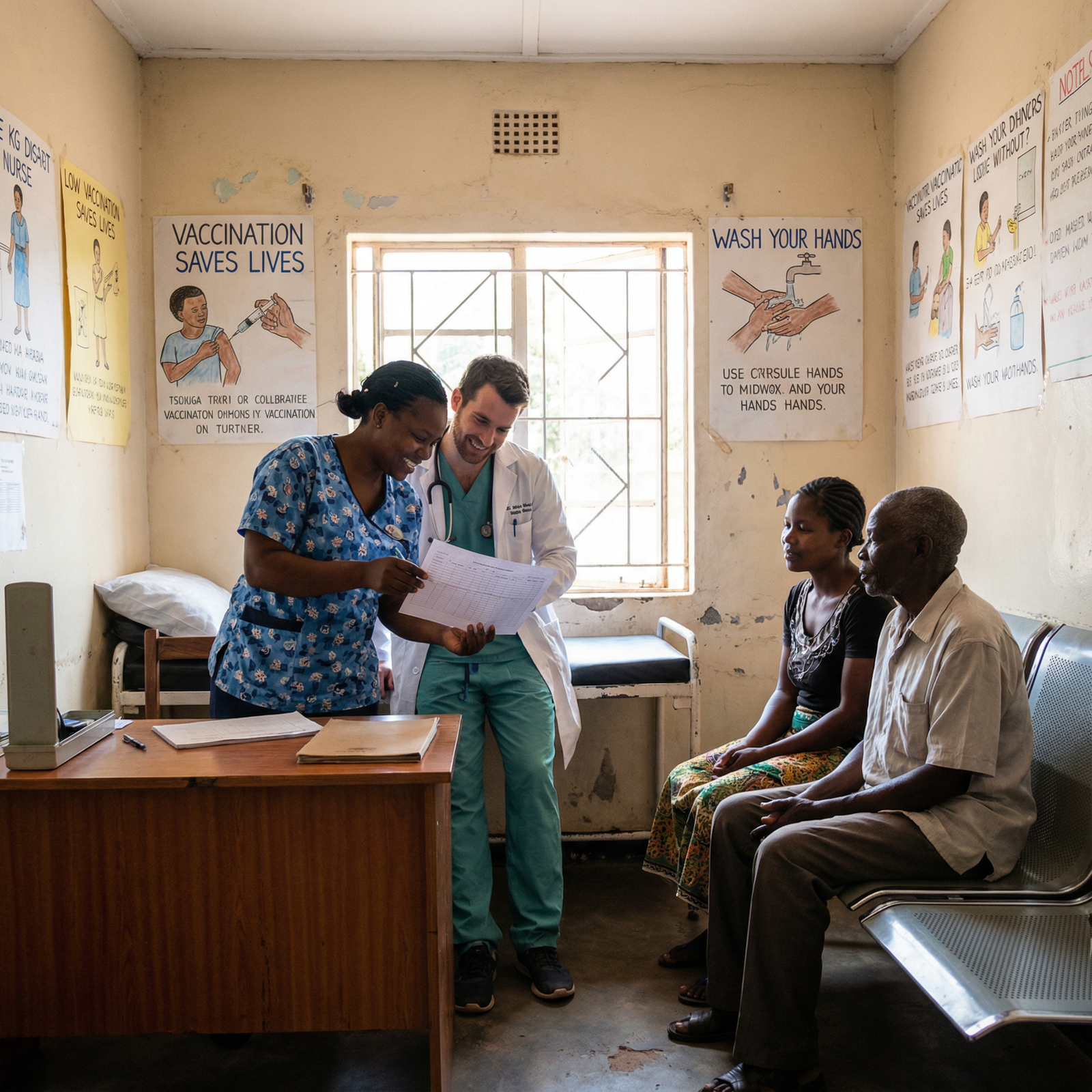
- More pictures where you cannot tell who “the foreigner” is because they are standing next to the local clinician as a colleague.
Let me spell out the core principles.
Principle 1: Local Clinicians Lead the Clinical Agenda
You do not decide what tasks get shifted or shared. Local leadership does.
That means:
- You ask: “What are your current bottlenecks? Where do you feel overextended? Where are patients falling through?”
- You listen when they say: “We do not need another general surgery camp; we need help standardizing our diabetes protocols.”
If the hospital’s main burden is non-communicable diseases and your team insists on doing elective hernias because it “feels surgical and impactful,” you are using them as a backdrop.
Task-sharing starts with their priorities, not yours.
Principle 2: Co-Location, Not Parallel Systems
Unethical missions love parallel systems:
- Separate pharmacy.
- Separate triage.
- Separate records.
- Separate follow-up.
Ethical task-sharing does the opposite:
- You work inside their outpatient department, not in a tent unless there is no alternative.
- You use their charts or EMR, not your own secret spreadsheet.
- You round on the wards with local teams, not separately at 6 a.m. so you can “get more done.”
This forces you to see their reality: medication stock-outs, lab delays, referral barriers.
It also means any task you share or shift has to fit their system, because you are inside it.
Principle 3: Mutual Supervision, Not One-Way Oversight
In mission culture, oversight is often one-directional: foreign expert → local clinician.
Real task-sharing allows:
- Local clinicians to correct visiting clinicians regarding local guidelines, antimicrobial resistance patterns, cultural norms.
- Visiting clinicians to offer evidence-based updates, technical skills, and external perspectives.
Example: You are a visiting internal medicine attending. You and the local medical officer run a complex HIV/TB case together:
- The local clinician knows the algorithm for re-treatment TB and which second-line drugs are actually available.
- You bring nuance on managing drug–drug interactions with newer antiretrovirals, which they may not have seen, and reinforce guideline-based care if practice drift has occurred.
You both supervise each other’s blind spots. That is task-sharing.
4. Concrete Models: How Missions Can Support Without Taking Over
Let me give you some very specific patterns that actually work.
Model A: Joint Clinics With Explicit Skill Exchange
Set up clinics where:
- Every new or complex case is seen by a local clinician + visiting clinician together.
- Straightforward follow-up visits are intentionally led by the local clinician, with the visitor in the background.
You define the purpose of the mission as:
- 50% patient care.
- 50% capacity-building for local staff.
Not 95% “we saw 1500 patients in 4 days.”
Practical steps:
- Start clinic with a 10–15 minute micro-teaching on a relevant topic chosen by local staff (e.g., “Approach to resistant hypertension with limited meds”).
- During clinic, pause briefly between patients for case-based teaching and protocol reinforcement.
- At the end of each day, do a quick review: “What should be next steps for these 5 complex patients when we are gone?”
If your clinic looks like a factory line and there is no time for this, you are not task-sharing. You are a pop-up service.
Model B: Skills Co-Ownership in the OR
Short-term surgical missions are the worst offenders.
The ethical alternative:
- No case is booked that cannot be safely followed by local clinicians with the resources they have.
- Every case pairs a local surgeon (or non-physician surgical provider) with the visiting surgeon.
Use a progression model:
Early in the mission:
- Visiting surgeon leads, narrates, explains choices out loud.
- Local surgeon assists but also asks questions and compares local vs visiting approaches.
Middle of the mission:
- Local surgeon leads standard cases while the visitor assists and coaches.
- High-complexity cases are still visitor-led but always with a clear rationale.
Late in the mission:
- Local surgeon independently leads increasing complexity within agreed boundaries.
- Post-op rounds are led jointly, then gradually pivot to local-only with remote consultation options.
If the trip ends and the only thing that increased was your case log, you failed.
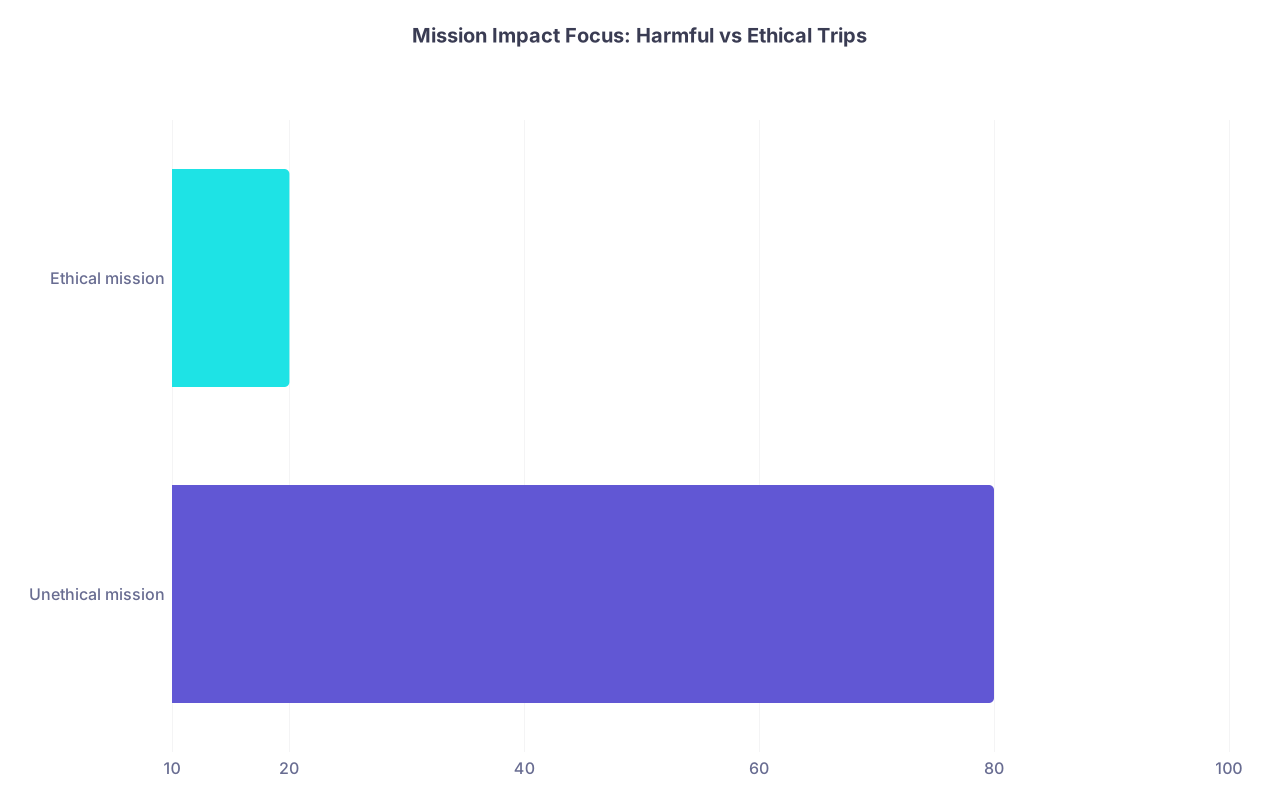
| Category | Value |
|---|---|
| Unethical mission | 80 |
| Ethical mission | 20 |
(Think of the numbers here as the percent of effort spent on “we did stuff the locals could not sustain” vs “we built something they can keep using.” You want that flipped.)
Model C: Protocol Refinement and Decision Support
Not everything needs to be a big new service. In fact, the most sustainable missions often do small, quiet things well.
Examples:
- Sit with local clinicians and co-review their current treatment protocols for common conditions (pneumonia, preeclampsia, sepsis).
- Help strengthen triage algorithms or early warning scores that match their monitoring capacity.
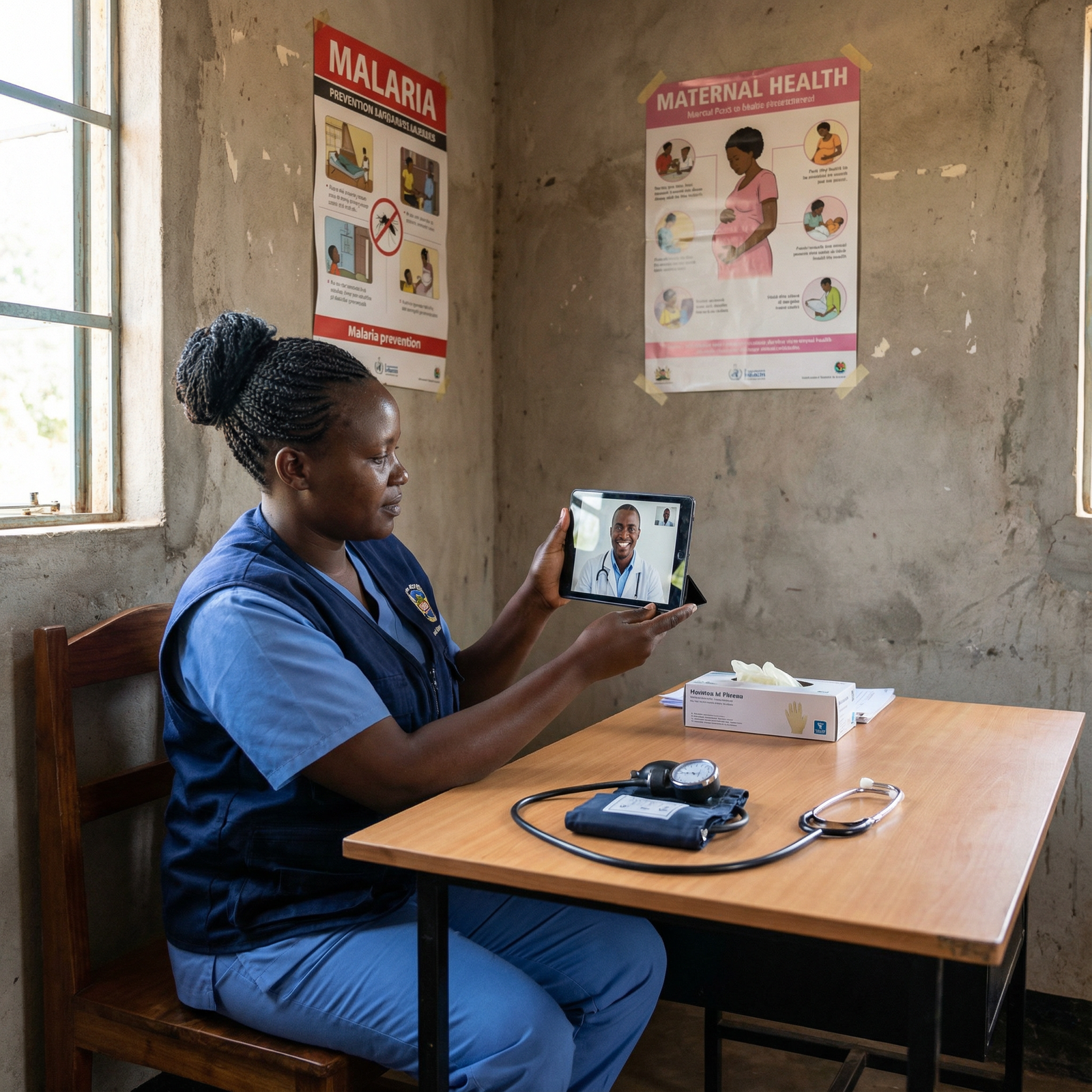
- Build simple decision aids or one-page tools tailored to their formulary and lab capacity, translated and approved locally.
You are not shifting tasks in the sense of who prescribes or who diagnoses. You are improving how those decisions are made in a shared way.
5. Ethical Landmines: When “Helping” Turns Into Harm
You will face pressure—explicit and implicit—to cross ethical lines. Let us name the most common ones.
Landmine 1: Returning Home with Stories of “Incompetent Locals”
If you ever catch yourself saying, “They just do not know how to X, so we had to step in,” stop.
Ask:
- Did you ask how they manage it when you are not there?
- Did you consider that their “suboptimal” practice might be a rational adjustment to resource constraints or policy directives?
- Did you offer structured teaching, or just criticism?
I have seen foreign teams undermine local clinicians in front of patients: “In our country we would never do it this way.” That is reputational sabotage, not task-sharing.
Landmine 2: Quietly Expanding Scope-of-Practice
Classic scenario: A visiting NP or PA (or even a resident) is “allowed” to do things in the mission setting that would require attending-level oversight at home—because “there is so much need.”
The logic is seductive. The ethics are not.
If you:
- Perform procedures unsupervised abroad that you are not credentialed to do at home.
- Prescribe outside your usual scope because “no one here is checking.”
You are not task-sharing. You are exploiting regulatory gaps and power imbalances.
Landmine 3: Abandoning Complex Patients at the End of the Trip
Any care you initiate must be:
- Continuable by the local system.
- Understandable to local clinicians.
- Documented in their language and record system.
Starting a patient on an expensive, intermittent-supply drug because you had samples or brought a suitcase is a classic mission sin.
If you push advanced regimens that cannot be maintained, you shift risk—and blame—to the local team.

| Step | Description |
|---|---|
| Step 1 | Consider task involvement |
| Step 2 | Do not do it |
| Step 3 | Reorganize to co-lead |
| Step 4 | Integrate documentation |
| Step 5 | Proceed with task sharing |
| Step 6 | Locally approved? |
| Step 7 | Fits local resources after you leave? |
| Step 8 | Local clinician co-leading? |
| Step 9 | Documented in local system? |
This is the bare minimum ethical filter.
6. Personal Development: How You Need to Change Before You Get on the Plane
You cannot practice ethical task-sharing with a short-term-trip mindset and long-term-mission rhetoric. The shift starts with you.
Step 1: Clarify Your Actual Role
Be brutally honest about what you are:
- Visiting consultant, not savior.
- Short-term supporter, not system architect.
- Learner, not just teacher.
Write this down before you go:
- “My primary purpose is to support and strengthen local clinicians’ ability to care for their own patients, in ways that remain after I leave.”
If your goals are metrics like “surgeries performed” instead of “local capacity supported,” your behavior will follow.
Step 2: Build Skills in Teaching, Not Just Doing
Task-sharing demands you can:
- Explain your clinical reasoning concisely.
- Break down procedures into teachable steps.
- Adapt to different baseline knowledge without condescension.
If you have never supervised a junior resident or nurse in your own context, you are not magically going to become a great capacity-builder abroad.
Before you go:
- Practice “thinking out loud” on rounds at home.
- Develop 5–10 short, high-yield teaching scripts on core topics you know cold.
- Learn how to ask, “How do you usually handle this here?” and actually listen.
Step 3: Tolerate Slower Throughput for Higher Value
Ethical task-sharing is inefficient on the surface:
- Fewer patients seen per hour.
- More time spent explaining and documenting.
- More joint decision-making, less “just let me do it.”
You have to be willing to see your numbers go down while the quality of collaboration goes up.
If your mission report is primarily volume statistics (“1000 consults, 120 surgeries, 500 eyeglasses distributed”), you are measuring the wrong things.
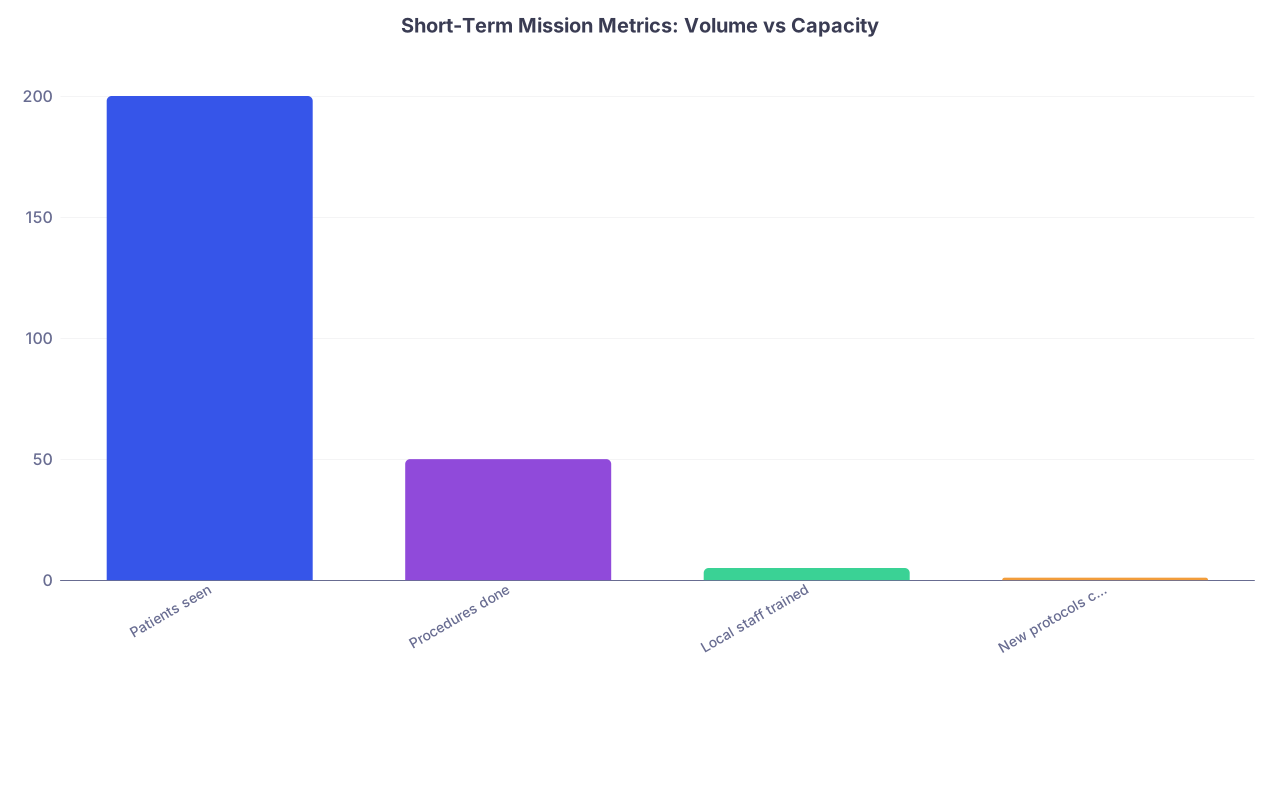
| Category | Value |
|---|---|
| Patients seen | 200 |
| Procedures done | 50 |
| Local staff trained | 5 |
| New protocols co-written | 1 |
Mature teams start pushing those last two bars up over multiple trips. That is where real impact sits.
7. Structural Commitments: What Responsible Organizations Do Differently
Individual good intentions are not enough. The sending organization and the host institution have to structure for task-sharing, not domination.
Clear Agreements Beforehand
You need written, shared answers to:
- What clinical areas will the mission touch?
- Who is the local clinical lead for each area?
- What tasks are:
- Observational only
- Shared with local staff
- Off-limits to visitors
If your pre-trip planning does not include these conversations, you are not ready.
Longitudinal Relationships
Task-sharing almost always requires repetition:
- Follow-up visits where you see how last year’s protocols are working.
- Ongoing WhatsApp/Signal groups for complex case discussion (within privacy norms).
- Remote teaching sessions requested by local clinicians, not just broadcasted.
One-off, “hit-and-run” trips are structurally bad at task-sharing. They may be acceptable in true disaster response, but not as routine missions.
| Dimension | Unethical Pattern | Ethical Task-Sharing Pattern |
|---|---|---|
| Leadership | Visitors lead all clinical decisions | Local clinicians lead, visitors advise |
| Work location | Parallel clinics/OR | Integrated in local systems |
| Scope of practice | Expanded for visitors | Aligned with home and host standards |
| Main metric | Volume of services | Local capacity and continuity |
| Follow-up | Rare or absent | Planned, supported, locally owned |
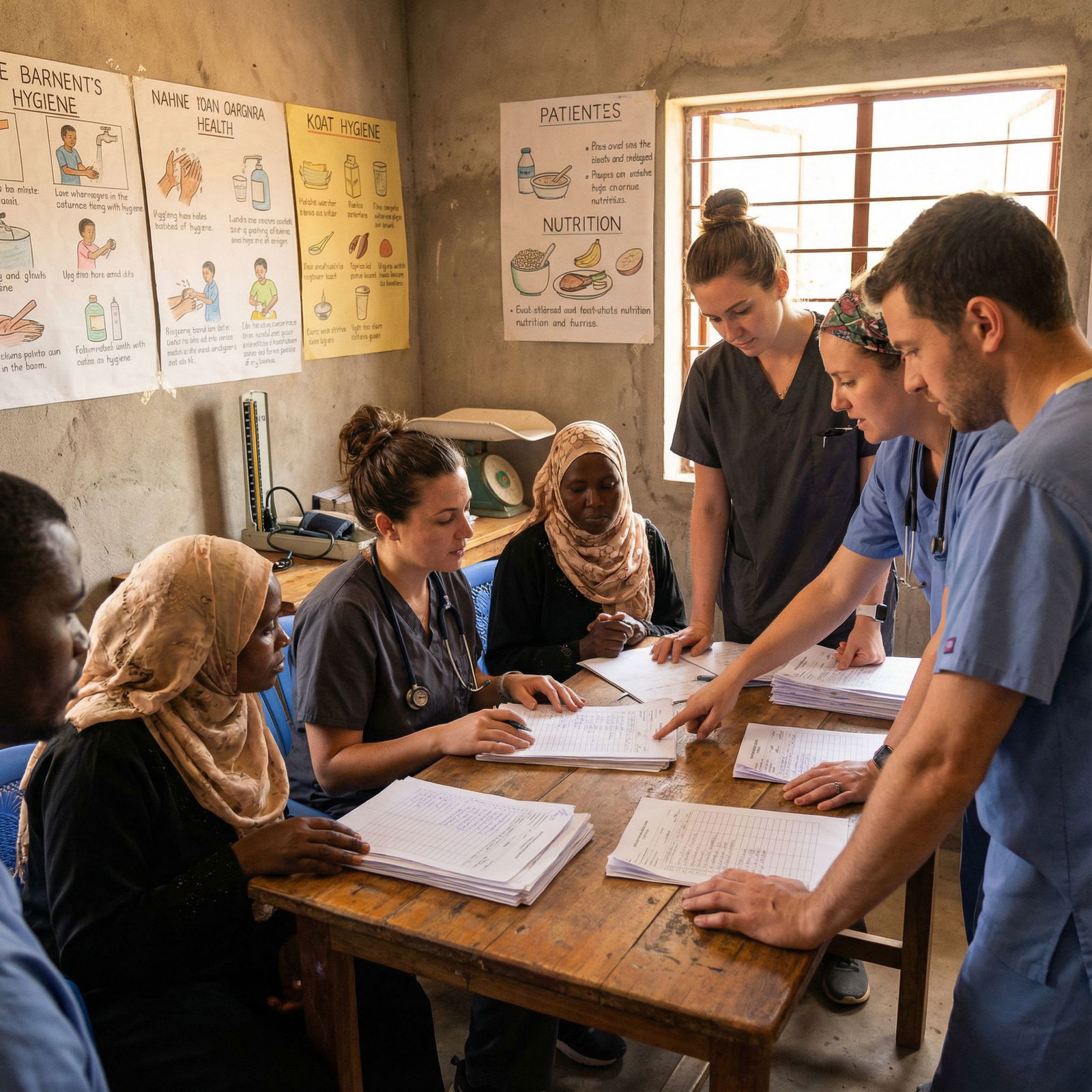
8. Practical Checklist: Are You Task-Sharing or Task-Shifting?
Before and during your mission, run through this—honestly.
If you answer “no” to more than one or two of these, you are sliding into unethical task-shifting.
- Can I name the local clinician who is ultimately responsible for this ward/clinic/OR list?
- Have we jointly agreed which decisions I may make independently and which must be co-signed?
- Is every significant intervention we initiate:
- Documented in the local system?
- Logistically sustainable after we leave?
- Clinically understandable to the local team?
- Am I spending at least as much time teaching, co-deciding, and listening as I am “doing”?
- Have I explicitly invited feedback or correction from local clinicians about my practice in their context?
- Does my daily schedule include protected time for debrief and capacity-building, not just throughput?
If your internal dialogue is: “We are too busy for that teaching stuff; patients are waiting,” then you have prioritized short-term optics over long-term ethics.
9. Bottom Line: How Missions Can Truly Support Local Clinicians
Let me condense this to the core:
Task-shifting is moving work from higher- to lower-trained workers. It can be lifesaving when led by local systems, but is often abused by short-term teams to justify overreaching and disruption.
Task-sharing is joint, deliberate collaboration where roles overlap, responsibility is shared, and skills and authority remain rooted locally.
Missions that actually support local clinicians:
- Enter as guests into existing systems, not as pop-up alternatives.
- Keep locals at the center of decision-making and long-term ownership.
- Accept lower short-term numbers in exchange for higher long-term value.
If you are not willing to slow down, share control, and measure success by what remains after you leave, you should not be in the medical missions business.

FAQ (Exactly 4 Questions)
1. Is task-shifting always unethical for short-term missions?
No. Task-shifting can be appropriate if it is part of a locally led strategy, within national policy, with formal training, supervision, and monitoring—and if your role is supportive, not directive. The problem is not the concept itself; it is outsiders unilaterally redefining roles without authority or continuity.
2. How can a student or resident contribute without overstepping?
You focus on learning and supporting, not leading. Work under clear supervision from both a visiting attending and a local clinician. Ask to help with case discussions, documentation, data collection, teaching sessions, and protocol refinement. You should not be independently expanding services that local staff do not already provide.
3. What should I do if I see my mission team undermining local clinicians?
Address it directly but respectfully. Start privately with the team member: describe what you observed and why it concerns you. Bring in the trip leader if needed. Invite local clinicians into the conversation: “How would you prefer we handle this type of situation?” If the pattern continues, you should seriously reconsider working with that organization.
4. How do you measure whether a mission is truly supporting local capacity?
Look at what changes for local clinicians after the team leaves. Are there new or improved protocols they use? More confidence in certain procedures? Strengthened teaching or QA processes? Fewer gaps in care they feel alone with? If the only measurable outcome is that many patients were seen during the week you were there—and nothing is different three months later—you are not supporting capacity, you are just providing a temporary patch.
Key points:
- Task-sharing centers collaboration, continuity, and local leadership; task-shifting without local mandate is usually unethical for short-term teams.
- Missions that support local clinicians integrate into existing systems, prioritize teaching and co-decision-making, and only initiate care that is sustainable after they leave.
- If your impact disappears when your plane takes off, you did work; you did not build anything.


