
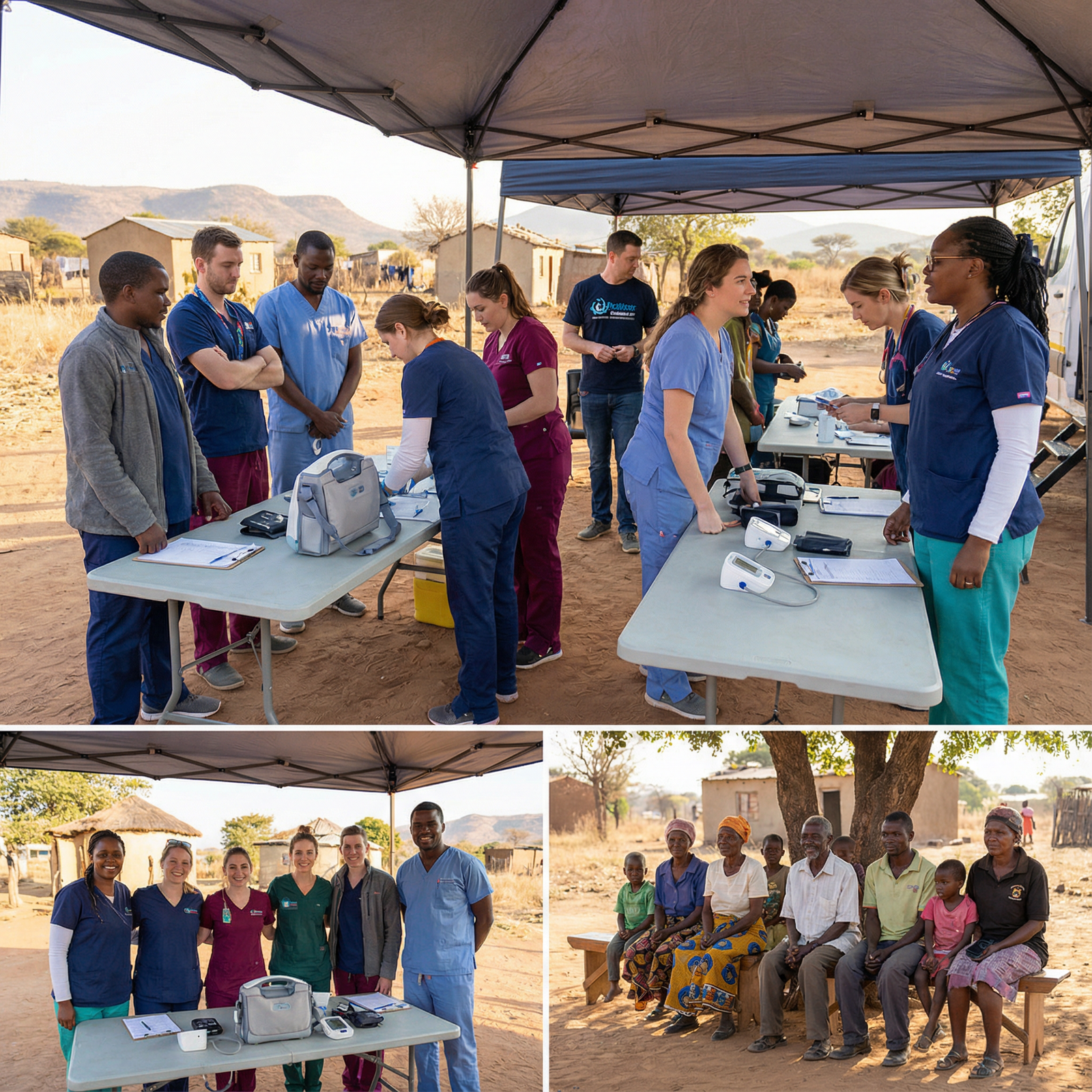
Why Short-Term Missions Backfire: Ethical Errors Residents Regret
It’s day 5 of your “global health” trip. You’re a PGY-2 standing in a concrete room with one light bulb, holding an ultrasound probe you barely know how to use, while fifteen people wait outside because they heard “the American doctors are here.”
Your attending is back at the guesthouse on a “planning call.” The local nurse is translating as best she can, but you’re not sure the patient really understood that you’re guessing on this diagnosis. Someone from your group snaps a picture. “This will look amazing in the residency newsletter,” they say.
And your stomach drops. Because it does not feel amazing. It feels wrong.
You are exactly who I’m writing for.
Short-term medical missions are where a lot of good intentions go to ethically die. Residents walk in thinking they’re “serving” and walk out, months later, realizing they crossed lines they would never cross at home.
Let’s walk through the big mistakes that turn “mission trips” into something residents regret—and how to not be that story.
1. Using Patients as Practice: Scope Creep in Disguise
The single worst pattern I see: residents doing things abroad they are not trusted to do at home, and telling themselves it’s “helping.”
If you wouldn’t be credentialed for it in your own hospital, you have no business doing it in a village clinic because the patients are poor and grateful.
The classic scope-of-practice failures
- The anesthesia resident “trying” spinal anesthesia solo because “no one else can do it here.”
- The FM PGY-1 doing C-sections when they’ve barely closed a skin incision at home.
- The EM resident doing ultrasound-guided nerve blocks for the first time—on a farmer who thinks you’re an expert.
At home, there are guardrails:
- Credentialing
- Attending oversight
- Malpractice coverage
- A chart that follows you
On a short-term mission, those guardrails evaporate—and that’s exactly when people get reckless.
Red flag questions you should be asking yourself
Before you touch a patient, ask:
- Would my program director be comfortable watching a recording of me doing this?
- Would I be allowed to do this independently at my home institution?
- If the patient has a bad outcome, can they access follow-up care for the complication?
If the answer is “no” or “I’m not sure” to any of that, you’re crossing a line.
The rationalizations that will get you in trouble
I’ve heard all of these. From very smart people.
- “They wouldn’t get care otherwise.”
- “The local doctor asked me to do it.”
- “It’s better than nothing.”
- “This will make me a better doctor for my future underserved patients.”
Be careful. “Better than nothing” is often just “worse than ethical.” If you’re tempted to use local poverty to justify a level of risk you’d never accept for a patient at home, that’s not global health. That’s exploitation.
2. The “Volunteer Tourism” Trap: When It’s About You, Not Them
You know this one. Matching T-shirts. Daily debriefs about “how this trip is changing my life.” More photos of visiting residents than local clinicians. A “service trip” that suspiciously looks like:
- Two clinic days
- Three days of tourism
- A final “celebration dinner”
And then it’s over. No continuity. No systems changed. No follow-up.
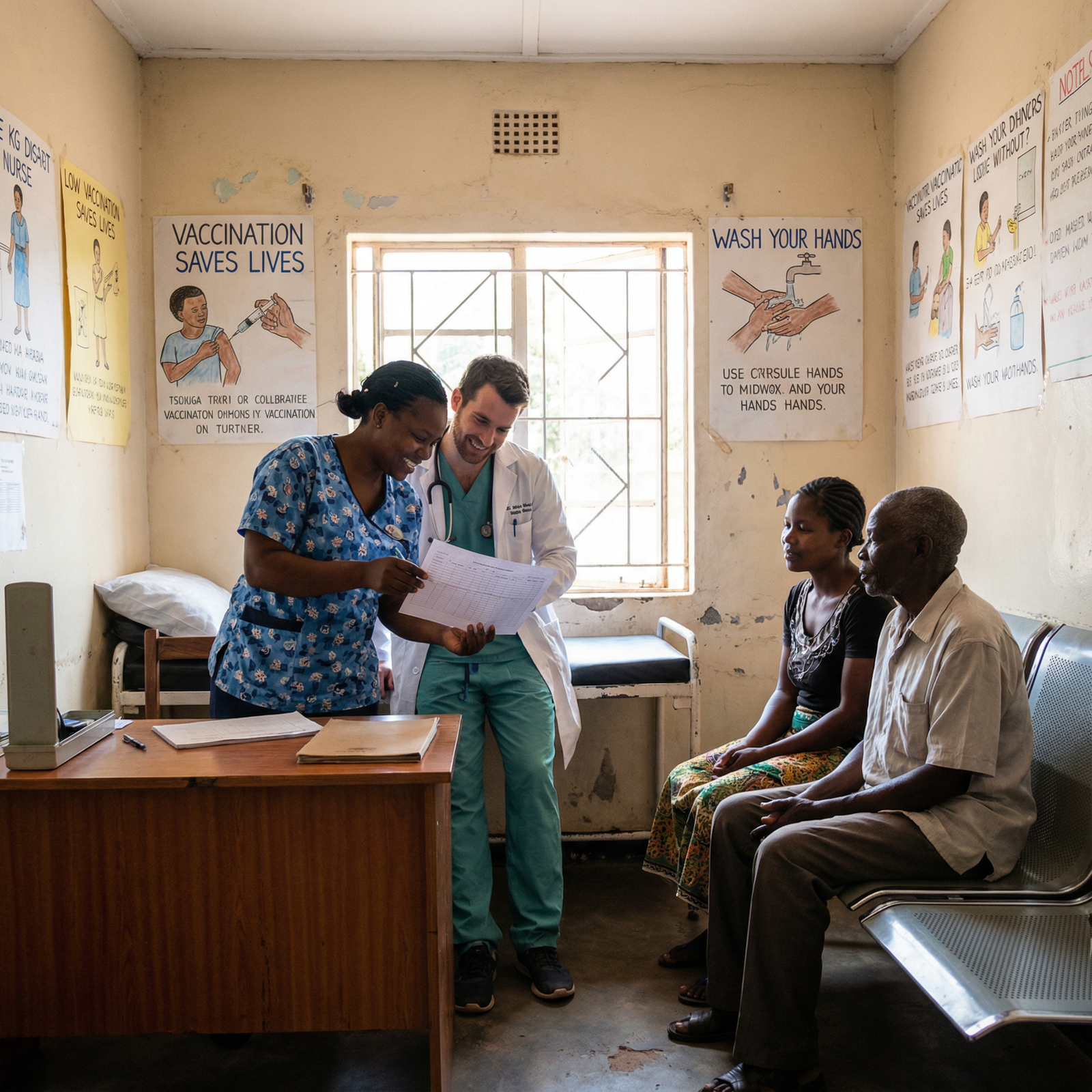
If the main measurable impact of the trip is your Instagram feed, something is off.
How to spot volunteer tourism disguised as “missions”
Pay attention to the structure before you sign on:
- No clear local partner with real authority
- Vague goals like “provide care to the underserved” and “increase cultural sensitivity”
- No data collection, no quality metrics, no morbidity and mortality review
- No plan for what happens to patients after you leave
Here’s a quick comparison:
| Feature | Ethical Program | Problematic Trip |
|---|---|---|
| Local leadership | Local clinicians in charge | Foreign team in charge |
| Continuity | Year-round clinic/partnership | One-off annual visits |
| Training focus | Build local capacity | Maximize visitor “experience” |
| Follow-up | Clear local follow-up plan | “We hope they do okay” |
| Data & QI | Tracks outcomes and adjusts | No tracking, no review |
The mistake residents make is assuming: “If my residency sponsors it, it must be fine.” No. Some programs are behind the ethics curve. Some are checking a “global health” box for marketing.
You have to look under the hood yourself.
3. Ignoring Local Clinicians: The Colonial Medicine Pattern
If you do not feel slightly uncomfortable about power dynamics when you fly into a low-resource setting as a foreign physician, you’re not thinking hard enough.
The recurring ethical train wreck here is subtle but toxic: you treat local physicians and nurses like assistants instead of owners.
How this shows up
I’ve watched visiting teams:
- Dictate clinic flow because “this is how we do it in the States”
- Override local treatment norms without asking why they exist
- Show frustration when local staff “don’t follow evidence-based guidelines” while glossing over the fact that the formulary has six drugs and no CT scanner
The underlying mistake: assuming your way is objectively better, because your resources are greater.
How to not be that resident
Instead of coming in hot with “best practices,” start with:
- “How do you usually manage this here?”
- “What medications and tests are actually available?”
- “What follow-up options exist for this patient—realistically?”
Then shut up and listen.
And very important: if the local doctor says “we don’t do that here” or “that’s too dangerous without ICU backup,” believe them. You’re a guest in their system. They understand their constraints far better than you.
4. No Exit Strategy: Patients You Can’t Follow
One of the dirtiest secrets of short-term missions: nobody knows what happens to half the patients once the foreigners leave.
You write:
- “Return if worse” in a chart
- For a patient who lives six hours away
- With no money
- To a clinic that won’t have you or your free medications there next week
Short-term trips often create:
- Diagnostic orphans: You find a mass, you suspect cancer, then vanish.
- Pharmacy cliffs: You start a new med that won’t exist when your samples run out.
- Surgical orphans: You do a “life-changing” operation with no post-op follow-up or long-term rehab.
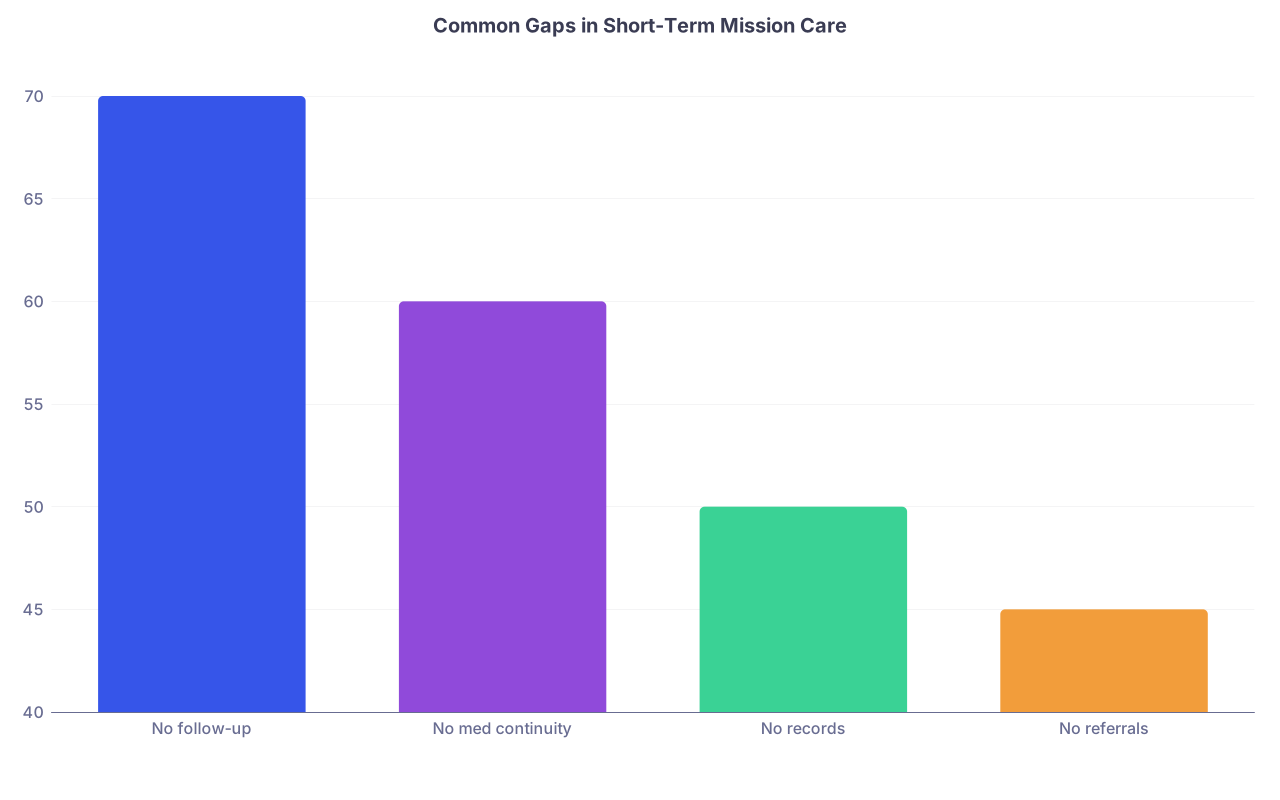
| Category | Value |
|---|---|
| No follow-up | 70 |
| No med continuity | 60 |
| No records | 50 |
| No referrals | 45 |
Those percentages are what I’ve seen repeatedly in audits and post-trip reviews: a majority of patients have at least one of those gaps when short-term care is done badly.
Questions you must ask before you go
If a trip organizer cannot answer these clearly, that’s your cue to walk:
- Where do patients go for follow-up once we leave?
- Who has access to the medical records we create?
- What’s the plan for chronic disease patients we start on new meds?
- How do we handle incidental but serious findings (masses, murmurs, TB suspicion, etc.)?
If the answer sounds like, “Well, we just do what we can while we’re there,” that’s not humble realism. That’s an ethical red flag.
5. Performing Poverty: Photos, Stories, and the Patient as Prop
You will regret the photos you do not think carefully about.
The ethical landmine here is using patients—often children—as props in your story about yourself. You may think you’d never do this, but in the moment, with your co-resident holding up their phone and everyone smiling, the line blurs.
The wrong patterns
- Posting identifiable photos of patients without informed consent (through a real translator, with power dynamics acknowledged).
- Sharing dramatic case photos for shock value or likes: “This is what we saw in [country]. We are so blessed!”
- Framing patients as helpless victims saved by the visiting team.
At home, you’d be crucified for sharing a patient photo on Instagram. Yet somehow people leave the country and their professionalism evaporates.
Guardrails you should enforce on yourself
- No patient faces on social media. Blur, crop, or just don’t post.
- No photos in clinical settings unless the local partner has a written policy and you understand it.
- No “before and after” “success story” posts without long-term outcome and consent that isn’t coerced.
And always remember: a poor patient smiling for a photo does not equal them freely consenting to have their body broadcast to your social network.
6. Treating It Like an Adventure, Not a Clinical Responsibility
One of the ugliest realizations residents have later: “I treated that trip like an elective vacation with some medicine sprinkled in.”
They remember:
- Planning side trips more obsessively than patient follow-up.
- Choosing days in the OR over boring-but-essential primary care clinics.
- Skipping debriefs or data work because there was a beach nearby.
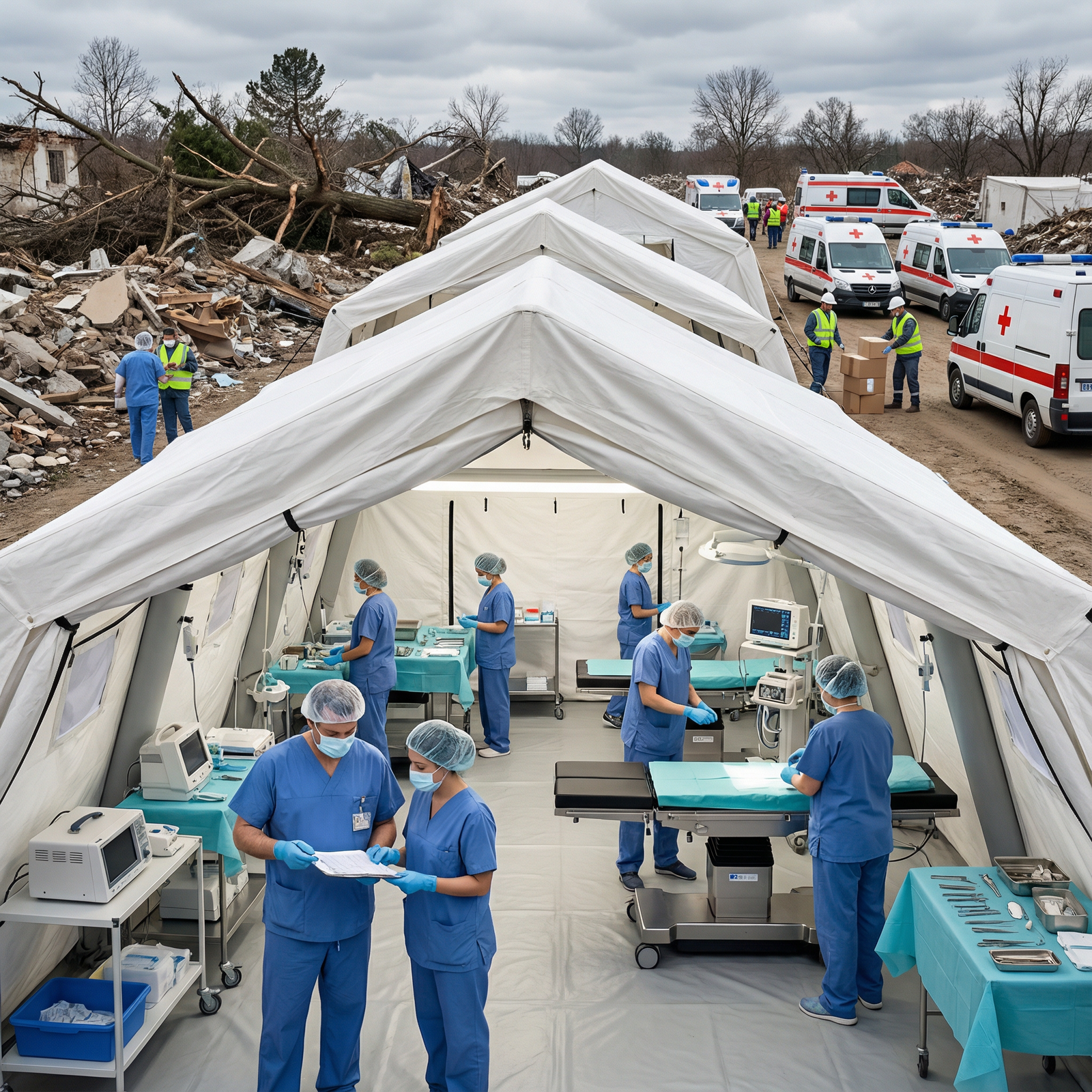
And then they realize: those patients treated them as real doctors. Not visiting hobbyists.
Ethical mindset shift you need
If you’re signing up for a short-term mission, see yourself as:
- Temporarily responsible for real patients with real risk
- Accountable to local colleagues, not just your residency
- Obligated to prepare clinically before you arrive
That means you:
- Read about local epidemiology and guidelines before you fly
- Learn at least basic phrases in the local language
- Understand the level of care the site can provide when you’re gone
If you’re not willing to do that prep work? Do not go. You’re not ready.
7. No Data, No Accountability: Flying Blind and Calling It “Service”
If nobody tracks:
- How many patients you saw
- What conditions you treated
- Your complication rate
- How many of your plans actually got completed
…then you are flying blind and calling it “service.” That’s not how you’d accept practice at home, and it shouldn’t be acceptable just because you crossed a border.
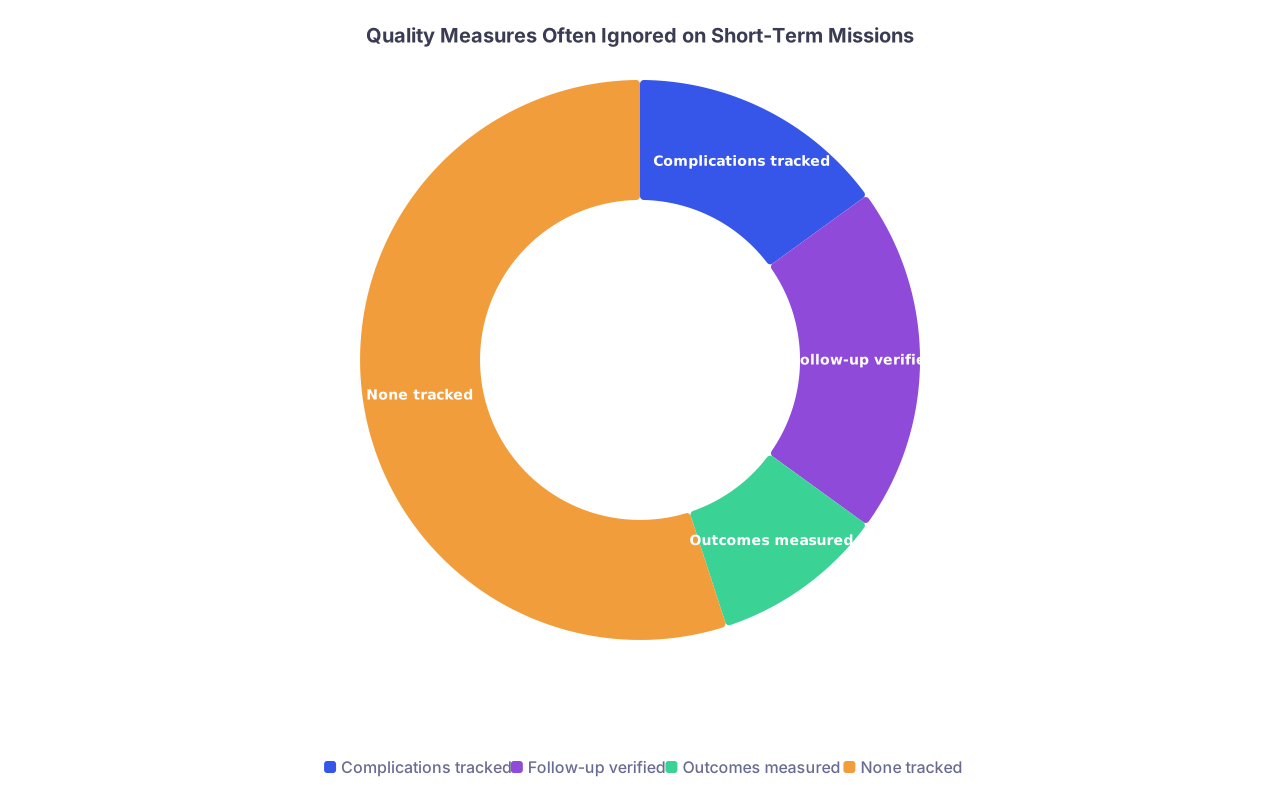
| Category | Value |
|---|---|
| Complications tracked | 15 |
| Follow-up verified | 20 |
| Outcomes measured | 10 |
| None tracked | 55 |
Ethical programs do the unsexy stuff:
- Maintain registries
- Have morbidity and mortality reviews across trips
- Adjust protocols based on local feedback and outcomes
The resident mistake is assuming “global health” is inherently virtuous and therefore beyond audit. No. If anything, global health work deserves more scrutiny because the power imbalance is higher.
You should be asking:
- “Do we review adverse events somewhere?”
- “What have you changed in your practice here based on previous data?”
- “What are the biggest harms you’ve seen from visiting teams?”
If organizers look blank when you ask about harms, that’s a problem. Every honest program has a story that starts with “We used to do X and realized it was causing Y harm, so we stopped.”
8. Religious or Ideological Strings Attached
This one is touchy, but pretending it doesn’t exist helps no one.
Some “medical missions” are primarily about:
- Evangelism
- Political messaging
- Institutional branding
And healthcare is the bait.
Watch for these warning signs
- Prayer required before receiving care, not optional and patient-led.
- Medical services geographically or temporally tied to religious activities (“clinic runs after the church service only”).
- Statements like, “We’re here to share the gospel and do medicine” where the order is not accidental.
If you’re not clear on your own boundaries, you will be swept along into ethically gray situations where:
- Patients feel coerced to attend religious services to access care.
- You’re introduced as part of a faith project you don’t actually share.
- Your medical role is used to lend legitimacy to an agenda you didn’t sign up for.
You owe your patients clarity and respect. That includes respect for their religious autonomy.
9. Undermining Local Systems and Trust
Here’s the part people miss: a short-term mission can actively weaken local health systems, even if you do technically helpful procedures.
How?
- You provide free meds that make local pharmacies look like price-gougers.
- You treat patients in a pop-up clinic instead of the local clinic, so the community trusts “the visitors” more than the year-round staff.
- You bring fancy gadgets that can’t be maintained locally, creating resentment and dependence.
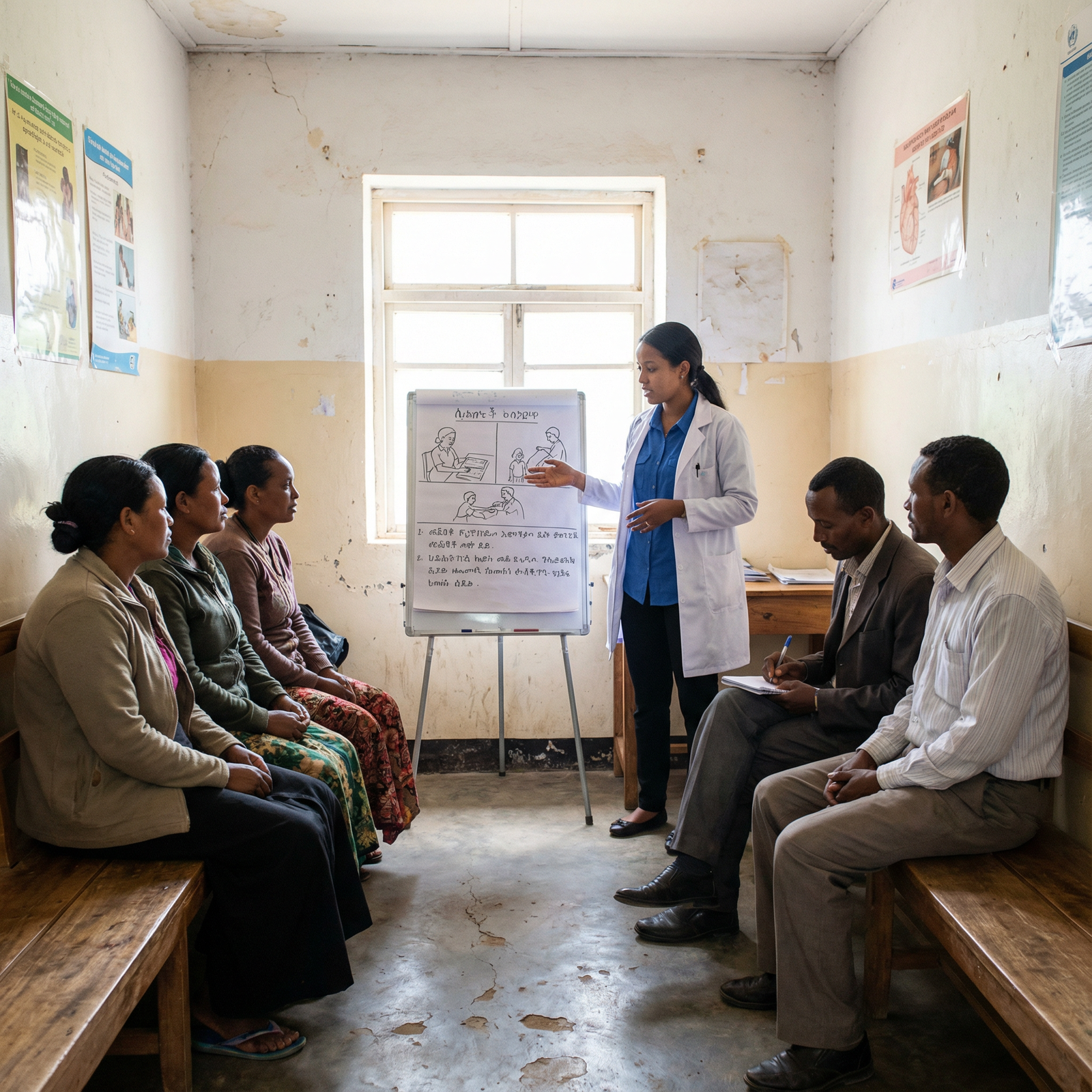
If the community walks away thinking:
- “We only get good care when foreigners come”
- “The local doctor is less capable”
- “We’ll wait until next year’s mission for this problem”
…you’ve just damaged long-term trust.
A rule of thumb: if what you’re doing cannot be sustained locally with local resources, be very cautious about how central it is to your “service.”
Help should:
- Reinforce the legitimacy of local clinicians
- Work through existing clinics and hospitals, not around them
- Avoid creating parallel systems that collapse once you’re gone
10. Protecting Yourself: What to Do Before You Agree to Go
You can avoid 80% of the regret by being picky on the front end. Here’s a ruthless pre-trip filter.
Ask these questions explicitly:
- Who is the local clinical lead?
- Name. Credentials. Who do they report to?
- Who owns the patient records?
- Where do charts live? Who can access them after you leave?
- What procedures am I expected or allowed to do?
- And how does that compare to my credentialing at home?
- What’s the follow-up structure?
- Be concrete: chronic diseases, post-op patients, new diagnoses.
- How do you handle serious complications?
- Transfer pathways, escalation, ICU capacity.
- What formal agreements exist with local authorities or institutions?
- MOUs, contracts, not just “we’ve been coming here for years.”
- What are the biggest ethical challenges you’ve faced in this setting, and how did you adjust?
If answers are hand-wavy, defensive, or romanticized (“They’re just so grateful!”), you’re being invited into a story, not a system.
11. If You Already Went and You’re Uncomfortable
Maybe you’re reading this with a knot in your stomach because you already did the problematic trip. You did procedures you shouldn’t have. You posted things you now regret. You feel complicit.
Good. That discomfort is ethical growth, not a career-ender.
Here’s what not to do:
- Don’t rewrite history to make it all noble.
- Don’t double down on “but we meant well.”
- Don’t use your discomfort as a reason to never engage with global health again.
Instead:
- Own your specific errors, even if only to yourself and a mentor.
- Correct what you can (yes, you can delete those photos).
- Use that experience to ask much harder questions before your next “global” opportunity.
And when you talk about the trip on applications or in interviews, talk about the ethical lessons, not just the “cultural exposure.”

| Step | Description |
|---|---|
| Step 1 | Offered mission trip |
| Step 2 | Do not go |
| Step 3 | Push for changes or reconsider |
| Step 4 | Proceed with caution |
| Step 5 | Local partner leads care? |
| Step 6 | Scope matches training? |
| Step 7 | Follow-up guaranteed? |
| Step 8 | Data and QI in place? |
3 Things to Remember
If you wouldn’t do it at home, don’t do it abroad. Scope of practice, consent, photos, documentation—your standards should not drop because your patients are poorer.
Short-term care without local leadership and follow-up is not “service.” It’s disruption dressed up as generosity. Respect the system you’re entering or stay home.
Your discomfort is a warning, not a weakness. When something feels off on a mission trip, pause. Ask harder questions. You’re protecting your patients—and your future self—from exactly the regrets that haunt residents later.


