Are West Coast Programs Actually More “Chill,” Or Are You Just Buying The Branding?
You’ve heard it already on Reddit, in group chats, from that one MS4 who did an away in California: “West Coast programs are just more chill. Better lifestyle. Less malignant.”
Are they?
Let’s tear that apart.
The short version: “West Coast = chill, East Coast = grind, Midwest = friendly but weak, South = malignant” is a lazy caricature. Programs vary more within regions than between them. And the data that actually exists on hours, burnout, and outcomes does not support the myth that you can coast on the coast.
Where This “Chill West Coast” Myth Even Comes From
A few persistent ingredients feed this idea:
- General societal stereotype: West Coast = laid-back, yoga, Patagonia vests, “work-life balance.”
- Strong branding: places like UCSF, Stanford, UW, OHSU, UCLA have mastered the art of marketing “wellness” while remaining insanely competitive.
- Survivorship bias: the people who match to high-demand West Coast programs tend to be ambitious, polished, and very good at selling their experience. Not always the most transparent about misery.
- Interview optics: blue sky, ocean views, nice housing tours, PDs talking about “culture” over and over. You see the palm trees and forget that a night float is still a night float.
I’ve sat in on resident discussions where someone said, “We’re not malignant like the East Coast places.” Then a PGY-2 across the table, eyes half-shut from a night shift, laughed and said, “Sure, but my 6th admission at 3am didn’t feel very chill.”
Good marketing doesn’t mean less work.
What The Data Actually Shows (And What It Doesn’t)
Here’s the first problem: there is no perfect, public dataset that says “West Coast residents work X fewer hours and feel Y more chill.” But we do have some useful data points.
Duty hours and actual work
ACGME caps hours everywhere. That’s national, not regional. Residents across regions violate these in similar patterns: ICU months, nights, under-resourced services.
Where you sometimes see differences is:
- Service design (capped vs uncapped admissions)
- How aggressively programs push “get your work done from home” (invisible hours)
- Staffing ratios (nursing, APPs, scribes)
Those can vary by hospital type far more than by coast.
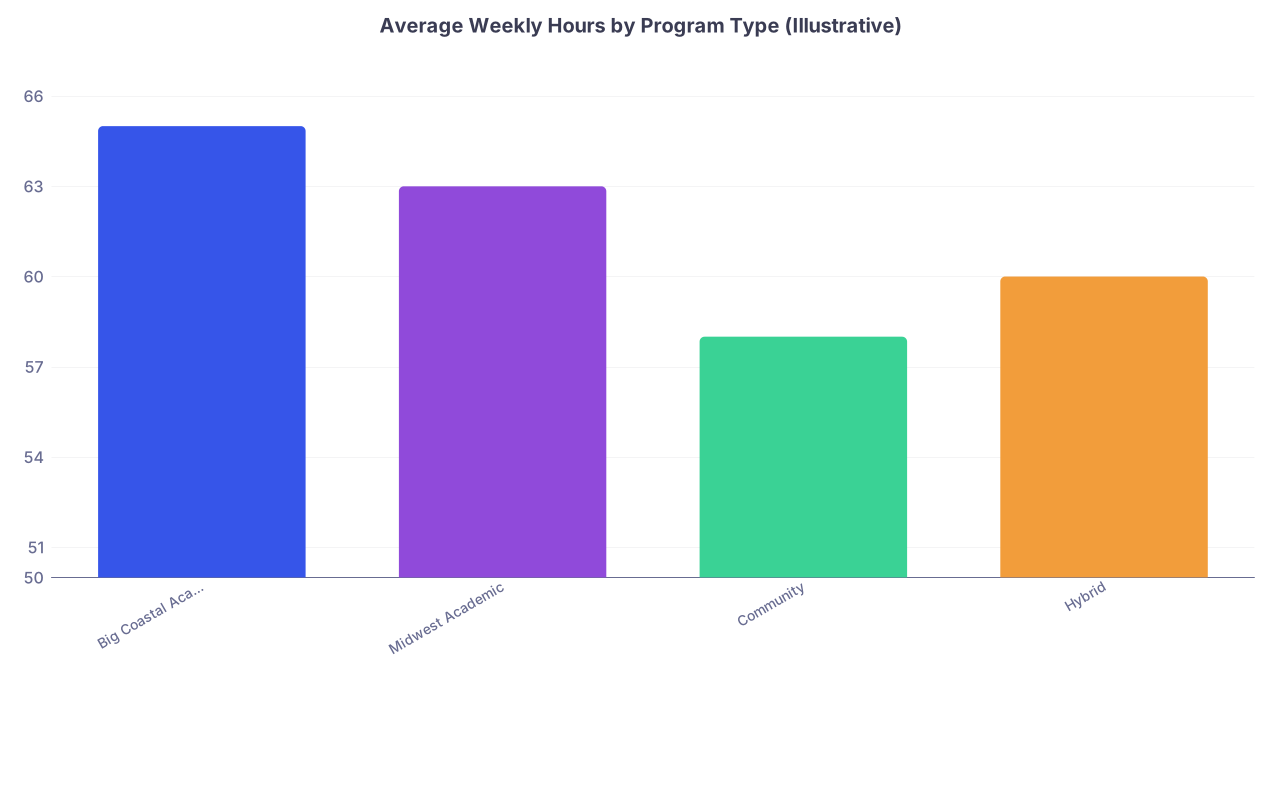
| Category | Value |
|---|---|
| Big Coastal Academic | 65 |
| Midwest Academic | 63 |
| Community | 58 |
| Hybrid | 60 |
Are these representative? They’re roughly in line with survey snippets and anonymous reporting I’ve seen: big coastal academic centers tend to run closer to the edge. Some Midwest academic programs run hard too. Geography is not protecting you.
Burnout and wellbeing
National surveys (ACP, Medscape, specialty societies) show consistently high burnout across regions. When regional breakdown is shown, differences are small and inconsistent. Specialty and program type are bigger drivers than zip code.
Predictors of burnout that come up repeatedly:
- Toxic leadership
- Poor supervision and safety culture
- High clerical burden / bad EMR
- Weak ancillary staff
- Lack of schedule control
Notice what’s missing: “Pacific Time Zone.”
Prestige vs pain
Prestigious West Coast programs are not magically gentle. If anything, strong reputations and high patient volumes make them busier and more demanding.
Look at where applicants drool over: UCSF, Stanford, UCLA, UW, OHSU. Then ask residents there, off-camera, what Q4 call on a high-acuity service feels like. Most will tell you the same story as MGH, Penn, or Hopkins residents: it’s rough, it’s intense, you learn a ton, and nobody is surfing between pages.
The Real Regional Differences (That Actually Exist)
There are regional patterns. They’re just not the “chill vs malignant” cartoon you’ve been sold.
Cost of living and financial pressure
Here’s where West Coast really stands out, and not in a fun way.
| Region / City Example | Cost of Living Index* |
|---|---|
| West Coast (SF, LA, Seattle) | 160–190 |
| Northeast (Boston, NYC) | 150–190 |
| Midwest (Cleveland, St. Louis) | 90–105 |
| South (Houston, Atlanta) | 95–110 |
*Using US average ~100 as baseline. Specific numbers vary by source, but the pattern is clear.
High-rent West Coast cities create real tension:
- Longer commutes because you cannot afford to live near the hospital
- More roommates, less privacy, more chaos at home
- Constant money anxiety, especially if you have loans
Wellness lecture + $3,000/month rent is not “chill.” It’s cosmetic.
Patient mix and system culture
Another real difference: case mix and health system structure.
West Coast large centers often:
- Serve huge safety-net populations with high complexity (think SF General, Harbor-UCLA, LA County)
- Operate in systems with strong union presence and more explicit talk about “wellbeing”
- Have more integrated health systems (Kaiser, large multi-hospital networks)
That can cut both ways. Better staffing in some areas. But also crushing patient volumes and bureaucratic overhead. I’ve seen interns at big West Coast county hospitals drowning in 20+ patient lists. No one called that “chill.”
City personality vs program reality
Yes, the city culture matters a bit. A place where people leave work early for the mountain or the beach sends a different social signal than a finance-heavy East Coast city.
But here’s the uncomfortable truth: a malignant PD in Denver will make a “mountain lifestyle” program miserable, and a supportive PD in Philadelphia can make a “hard-driving East Coast” program feel surprisingly humane.
You do not train in a region. You train under specific humans in a specific hospital.
The Sneaky Ways the “Chill West Coast” Myth Hurts You
This is where I get less gentle.
Believing the myth makes you stupid in three specific ways:
- You underestimate workload at brand-name West Coast places and are blindsided PGY-1 when “supportive culture” collides with 70-hour weeks and high-acuity patients.
- You unfairly ignore excellent programs in the Midwest and South that actually offer better lifestyle, stronger hands-on training, and lower burnout—because you’re chasing weather and vibes.
- You stop asking real questions on interview day, because you assume the coast will save you.
Do that, and you’re not “choosing lifestyle.” You’re choosing marketing.
How To Actually Compare Programs Across Regions (Like An Adult)
Stop asking, “Is West Coast chill?” Start asking, “Does this specific program have sustainable training conditions?” Then drill into the concrete stuff that correlates with your day-to-day life.
Questions that cut through the branding
On interviews and socials, you want numbers and specifics, not adjectives.
Ask residents:
- “How many patients do you typically carry on ward months as an intern? As a senior?”
- “On ICU months, are you consistently near the 80-hour limit?”
- “How often do you stay 2+ hours past sign-out to finish notes?”
- “What percentage of your notes/ordering can be done by APPs/scribes, vs you?”
- “If someone is struggling or burned out, what actually happens? Have you seen it work or not?”
Programs that are truly “chill” in the meaningful sense—reasonable staffing, capped loads, leadership that backs you up—will have concrete examples. Programs that talk only in vague “culture” language are waving red flags.
Compare structure, not slogans
The most informative differences are structural:
- Is there a night float system or traditional 28-hour call?
- Are there caps on admissions and total census?
- Are consult and cross-cover systems sane, or chaos?
- Is the ICU closed or open? How many residents cover overnight?
None of that is region-locked. There are community programs in the middle of the country with saner schedules than coastal “lifestyle” residencies.

| Step | Description |
|---|---|
| Step 1 | Interested in a region |
| Step 2 | Identify programs |
| Step 3 | Check call structure |
| Step 4 | Ask about patient caps |
| Step 5 | Review cost of living |
| Step 6 | Talk to residents off camera |
| Step 7 | Rank based on structure not myths |
| Step 8 | Reasonable and clear? |
| Step 9 | Affordable on PGY1 salary? |
Future Trends: Is Any Region Actually Moving Toward “Chill”?
Here’s the part that might surprise you: if there’s a long-term shift toward more humane training, it’s not uniquely a West Coast thing. It’s national.
Several forces are pushing in the same direction everywhere:
- Residents are more organized, more willing to unionize, and louder about bad conditions.
- Hospitals are realizing that constant turnover and moral injury are expensive.
- Applicants are asking sharper questions and not being fooled by palm trees as easily.
West Coast sometimes looks “ahead” on wellness because large academic centers there tend to adopt visible reforms early: wellness committees, mental health access, food stipends. But again, form vs function. A wellness committee that cannot change call schedules is theater.
Where I do see regional tilt: unionization and organized resident advocacy have taken off a bit earlier in some coastal and urban centers. That might lead to more contractual protections over time. But that’s about labor structure, not some beach-in-the-brain attitude.
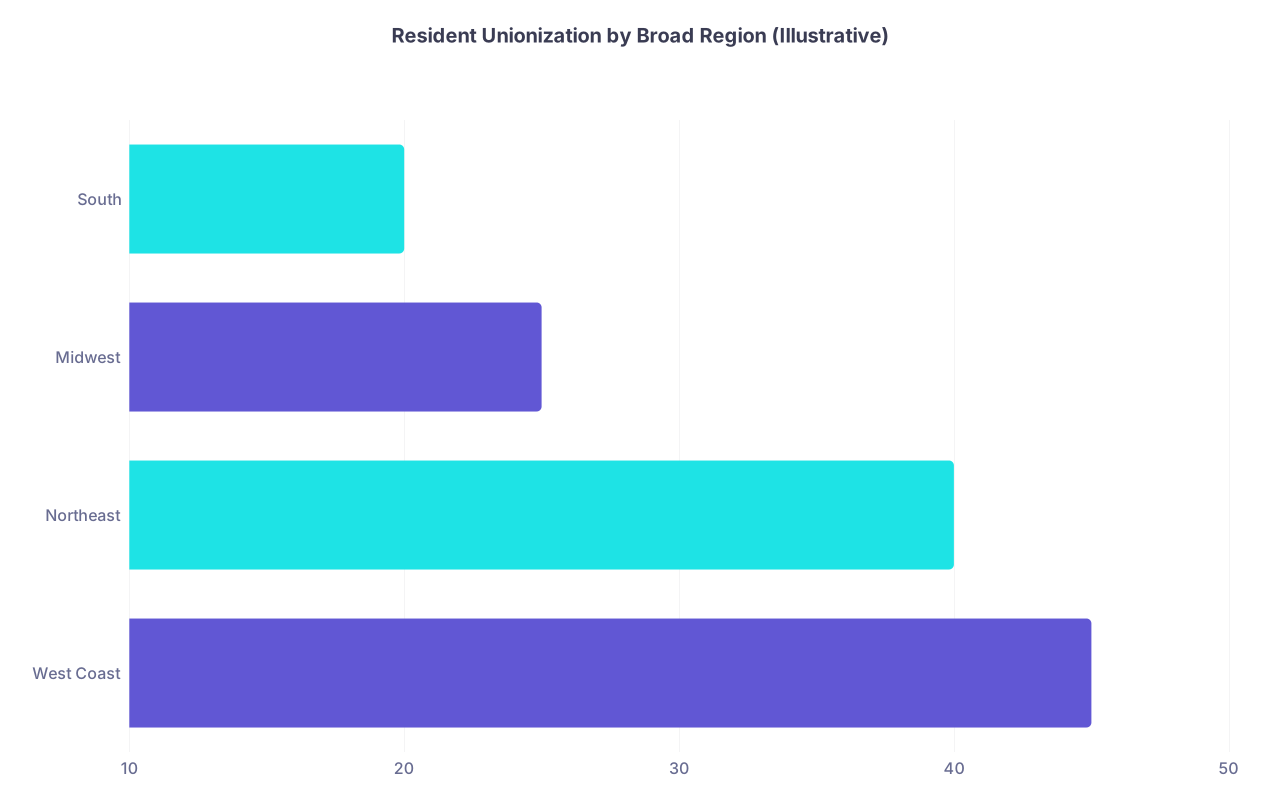
| Category | Value |
|---|---|
| West Coast | 45 |
| Northeast | 40 |
| Midwest | 25 |
| South | 20 |
Those numbers are made-up but directionally consistent with public reports: union-heavy cities skew coastal and Northeastern. Union contracts can improve call rules, salary, and protections. That’s real. But again, program-specific.
How To Protect Yourself From Regional Fairytales
Practical guardrails so you do not get seduced by the “California chill” mirage:
- Separate climate from culture. It’s fine to want good weather. Just be honest: you’re choosing sun, not magically lighter residency.
- Always pair a vibe question with a numbers question. “People seem happy—what’s your average census like?” If they dodge specifics, that “happiness” might be Instagram-only.
- Do back-channel intel. Talk to alumni from your med school who matched there. Ask: “What’s the worst rotation?” “Who are the notorious attendings?” Every program has them; you want to know degree, not existence.
- Respect unglamorous regions. I’ve seen extremely strong Midwestern and Southern programs where residents own procedures, have real teaching time, pay reasonable rent, and genuinely like their lives. They lose applicants to coastal branding every year.
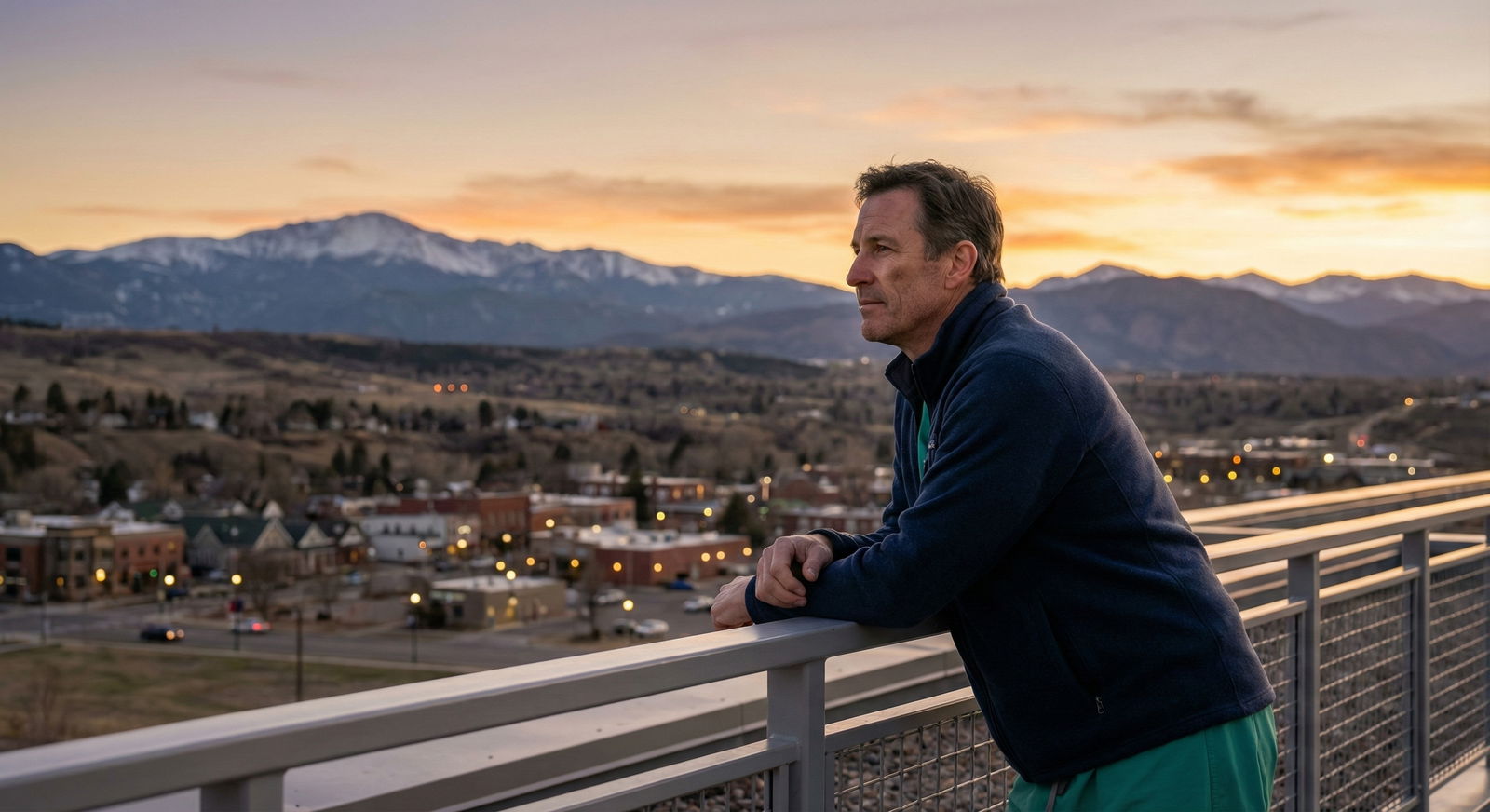
Common Myths About West Coast vs Other Regions
Let’s go straight at a few of the popular lines you’ll hear.
“West Coast is more relaxed; East Coast is more intense and academic.”
Plenty of West Coast places are every bit as academic and cutthroat as major East Coast powerhouses. Try telling a Stanford or UCSF fellow their program is “less intense.” Watch the eyebrow raise.
Academic intensity tracks with:
- Research expectations
- Case volume and complexity
- Competition for fellowships
Those correlate with institutional prestige and funding, not the direction the ocean is.
“Midwest and South are friendlier but weaker training.”
I’ve seen fantastic grads from Minnesota, Wisconsin, UAB, UT Southwestern, Vanderbilt, Iowa, WashU, Baylor, etc. They match into elite fellowships, publish, and come out technically strong.
“Friendlier” often just means lower cost of living plus slightly less posturing on rounds. That has nothing to do with training quality.
“If I care about lifestyle, I need West Coast or maybe Colorado.”
No. If you care about lifestyle you need:
- Reasonable call structure
- Functional ancillary staff
- A city where you can live close enough to the hospital without going broke
- Leadership that does not glorify suffering
You can find that in the Pacific Northwest. You can also find it in the Midwest and parts of the South. You can fail to find it in Los Angeles very easily.

So… Are West Coast Programs More “Chill”?
Sometimes. Occasionally. But not in any robust, guaranteed, coast-wide way.
What you’re really choosing with “West Coast” most of the time is:
- Higher cost of living
- Certain city cultures and climates
- A higher density of big-name institutions that are not easy or low intensity
The “chill” part lives at the program level: sane caps, supportive leadership, realistic expectations, non-sadistic call schedules. Those can exist in Oregon, in Ohio, in Alabama, in New York. Or not.
Stop thinking in coasts. Start thinking in hospital floors, sign-out times, and who actually answers when you page for help at 2am.